Compare

Compare Architectural Styles

Select two dynasties to see how architectural philosophy, structure, and decoration evolved across Chinese history.

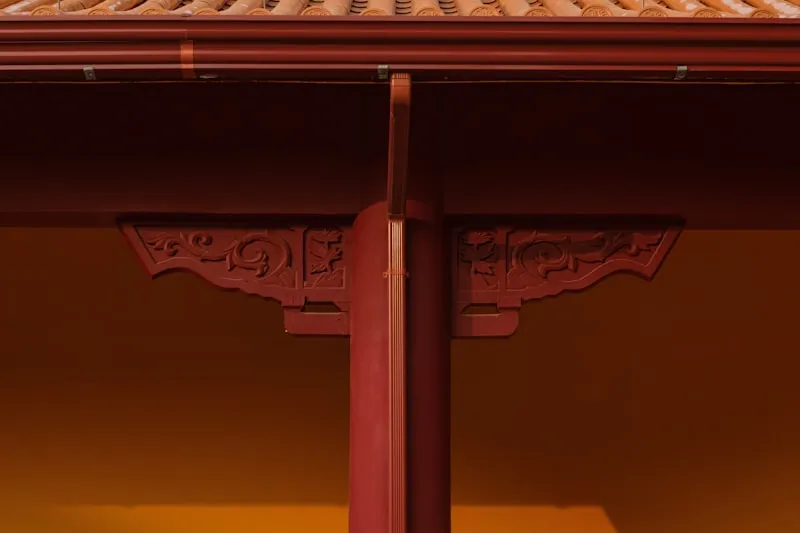
Chinese architectural style transformed dramatically across 3,000 years of dynastic change. Tang architecture (618-907 CE) is characterized by bold, masculine proportions with massive structural dougong brackets and wide overhanging eaves — the golden age of timber construction. Song dynasty (960-1279 CE) refined Tang boldness into elegant sophistication, with steeper roofs, intricate decorative brackets, and the world's first official building code (Yingzao Fashi, 1103). Ming architecture (1368-1644 CE) produced China's most iconic structures — the Forbidden City, Temple of Heaven, and the brick-faced Great Wall — using standardized modular timber systems. Qing dynasty (1644-1912 CE) intensified Ming ornamentation, brought garden architecture to its zenith at the Summer Palace, and introduced Manchu and Tibetan stylistic influences. Use the selector below to compare any two dynasties side by side.

Each dynasty card displays the same five dimensions, which makes differences immediately visible: timber-frame structure (how load-bearing brackets evolved), roof profile (the angle and curvature of eaves), column and bracket scale (from Tang monumentality to Song refinement), decorative program (paint, glazed tile, and sculpture), and representative monuments (the buildings that best embody the style). Switch either selector at any time — the cards update instantly so you can compare all 36 possible pairs.

Four Eras at a Glance

DimensionTang (618-907)Song (960-1279)Ming (1368-1644)Qing (1644-1912)
Bracket scaleMassive, structural, up to 40% of column heightSmaller, more numerous, increasingly decorativeStandardized modules per the official building codeReduced to ornament; structure now brick and stone
Roof profileDeep, sweeping eaves with gentle curvesSteeper pitches, refined flared cornersBalanced curves, heavy glazed-tile surfacesElaborate ridges, abundant ridge sculpture
Color usageSubdued, natural timber tones dominateIncreasing paintwork on brackets and ceilingsImperial red and gold codified as palace standardDense polychrome decoration in every surface
Iconic monumentFoguang Temple Great East Hall (857)Yingxian Pagoda (1056)Forbidden City (1420), Temple of HeavenSummer Palace, Chengde complexes
Garden traditionImperial parks; nature framed by architectureScholars' gardens reach artistic maturityPrivate gardens flourish in the Yangtze deltaImperial garden design peaks at the Summer Palace

Dynasty Comparison

vs
T

Tang Dynasty

618-907 CE

Tang Dynasty architecture
  • Bold, masculine proportions
  • Wide overhanging eaves
  • Seven-tier dougong systems
  • Red-and-white color scheme
  • Raised stone platforms (xumizuo)
  • Hipped roofs on important halls
S

Song Dynasty

960-1279 CE

Song Dynasty architecture
  • Steeper, upward-curving eaves
  • Intricate multi-tier decorative dougong
  • Green-glazed roof tiles
  • Official building manual (Yingzao Fashi, 1103)
  • Flourishing garden architecture