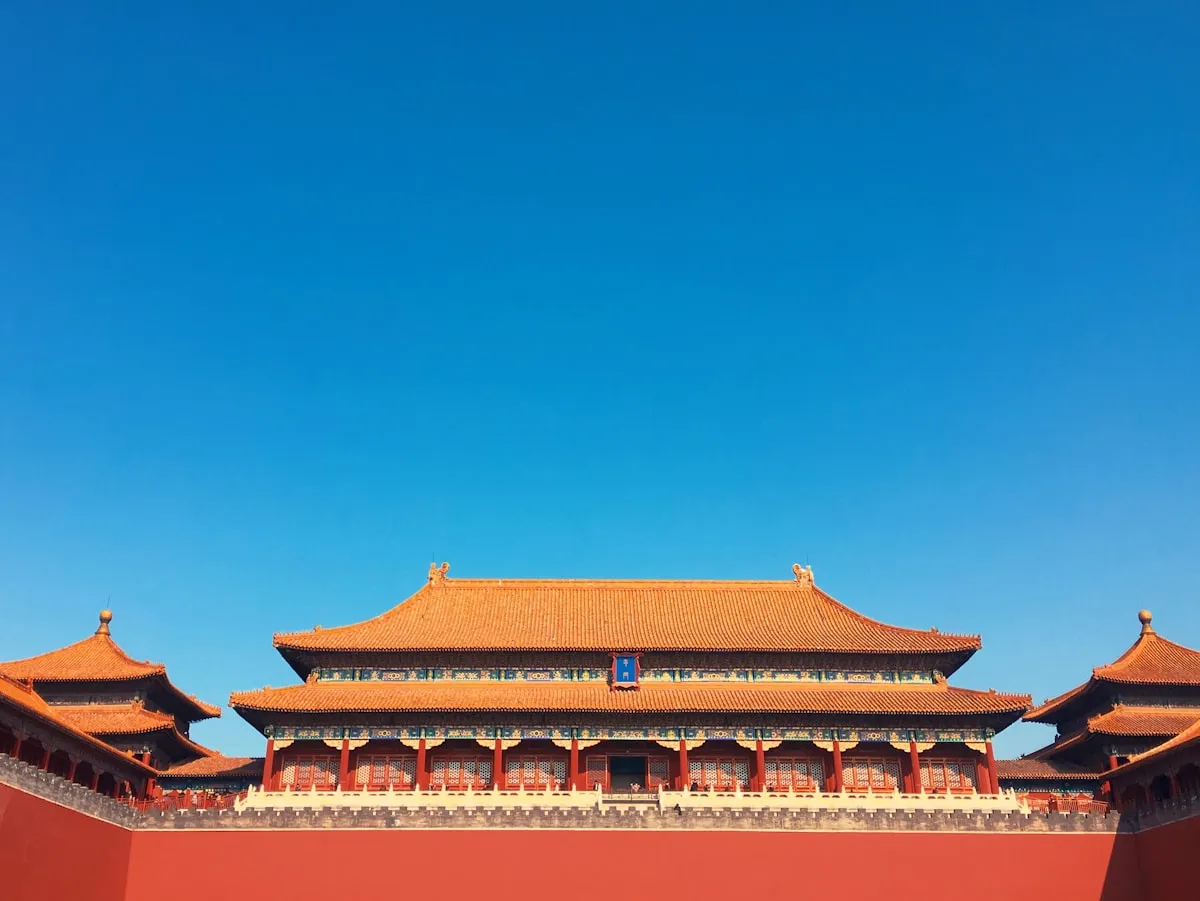
 FMing-Qing
Forbidden City
Palace · Beijing · 1406-1420
The Forbidden City is the largest palace complex in the world, containing 980 buildings across 72 hectares. Built under the Yongle Emperor of the Ming dynasty,
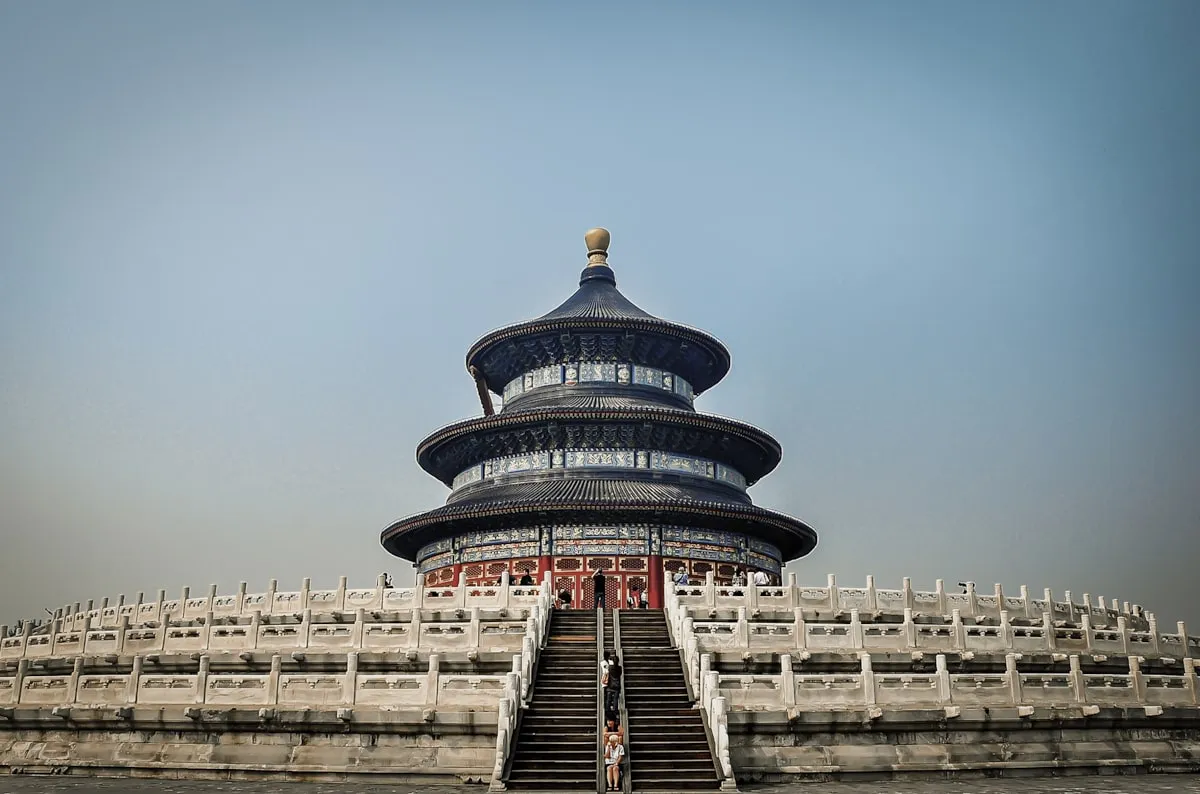 TMing
TMingTemple of Heaven
Temple · Beijing · 1420
The Temple of Heaven is the largest and most complete ritual complex surviving in China — a 273-hectare park where Ming and Qing emperors performed annual cerem
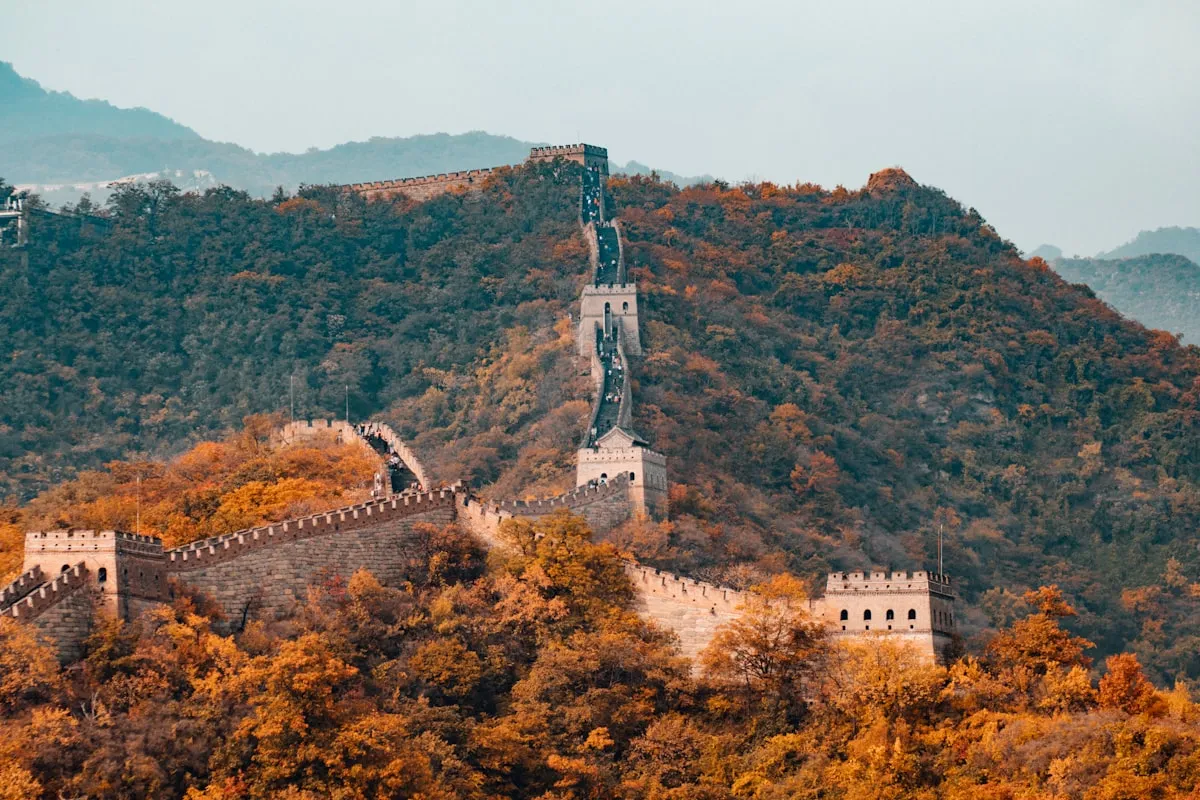 GMing
GMingGreat Wall
Fortification · Northern China · Various (Ming sections: 14th-17th c.)
The Great Wall is the world's longest defensive structure, stretching over 21,000 kilometers across northern China. While sections date back to the Qin dynasty,
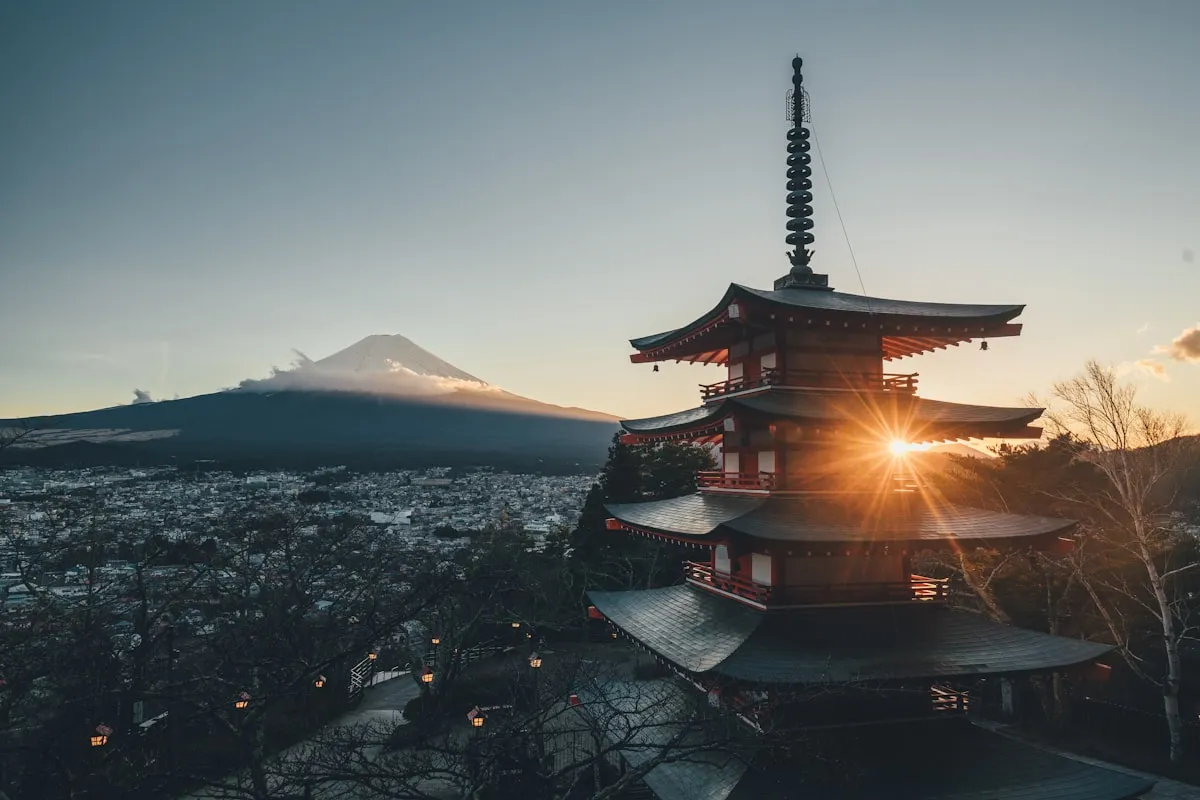 FTang
FTangFoguang Temple
Buddhist Temple · Shanxi Province · 857 CE (East Hall)
Foguang Temple houses the second-oldest surviving timber-frame building in China — the East Hall, dated to 857 CE during the Tang dynasty. Discovered by the arc
 YLiao
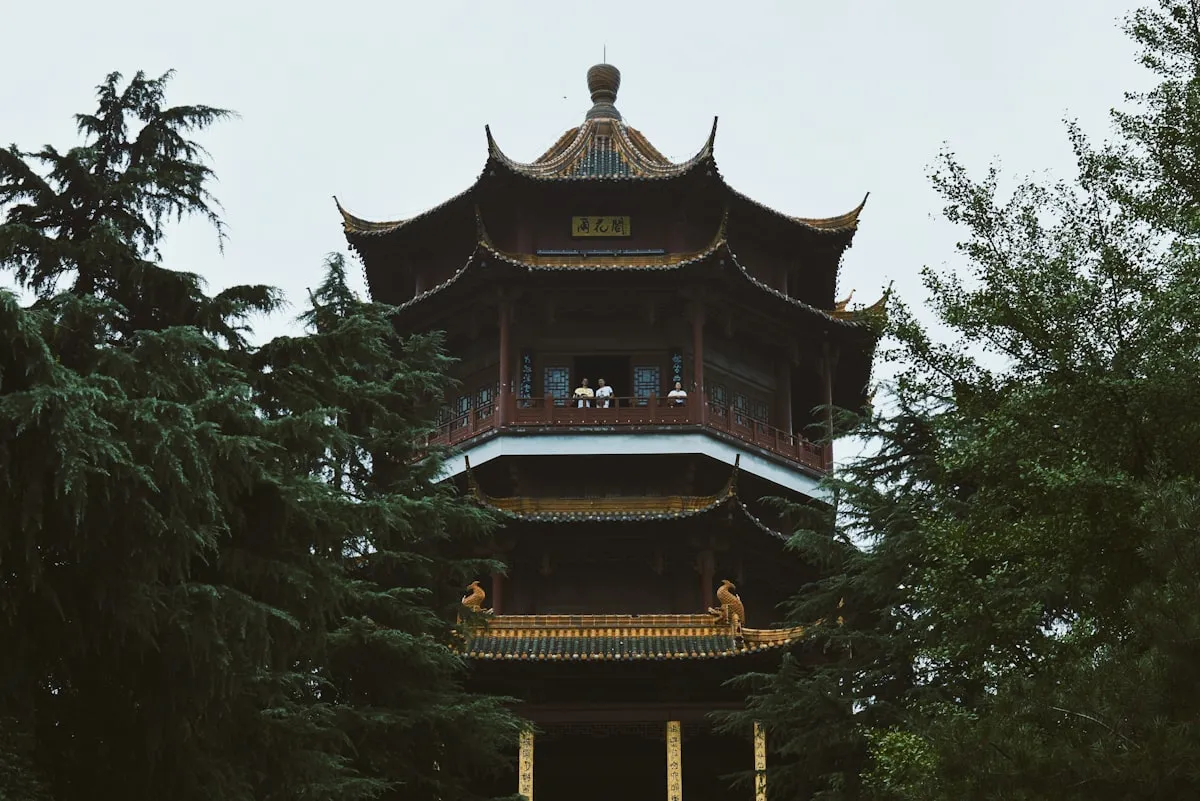
YLiaoYingxian Pagoda
Pagoda · Shanxi Province · 1056 CE
The Yingxian Pagoda is the oldest and tallest surviving all-wood pagoda in the world. Standing 67 meters tall with no metal fasteners, it was built during the L
 SQing
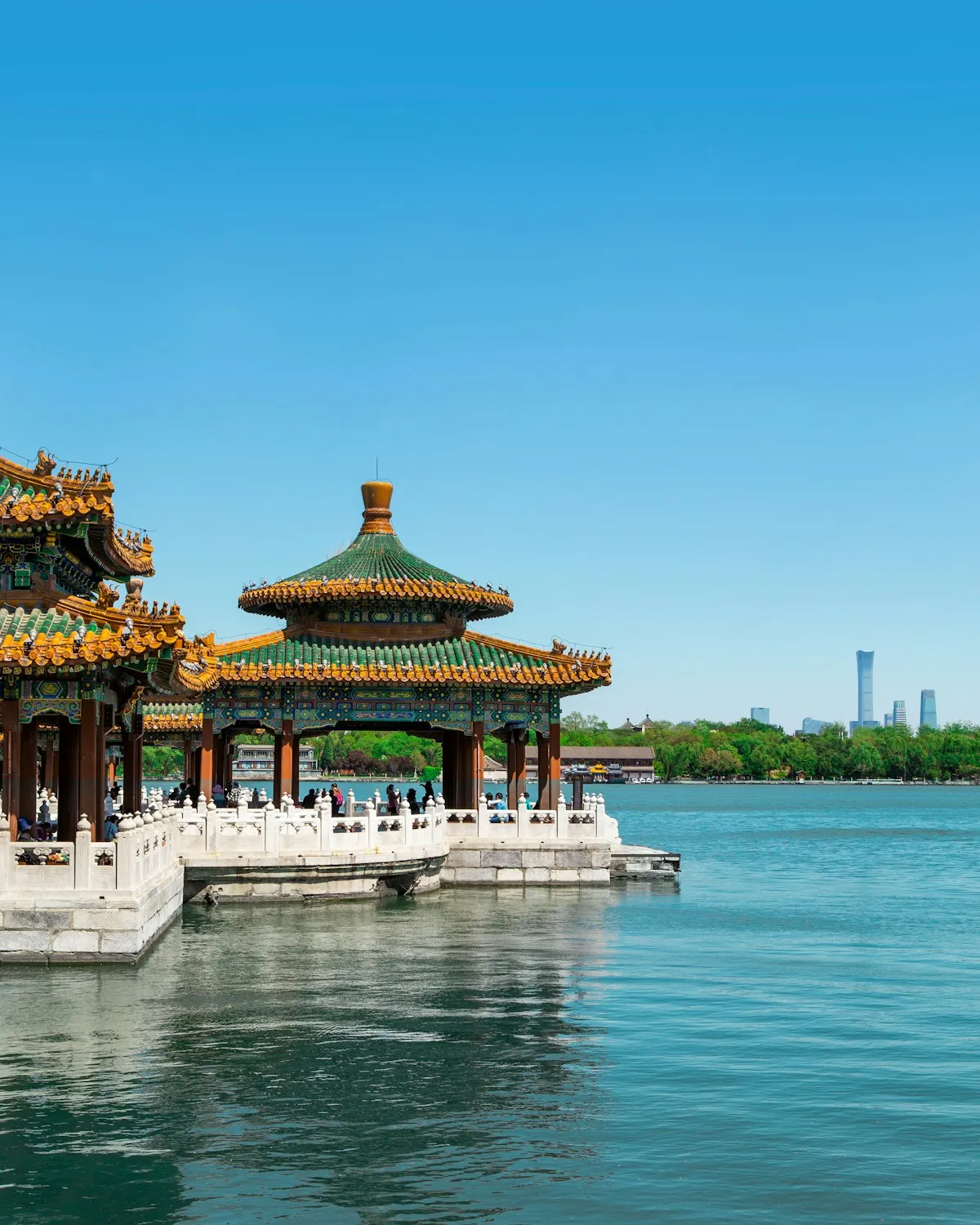
SQingSummer Palace
Imperial Garden · Beijing · 1750 (rebuilt 1886)
The Summer Palace is China's largest imperial garden — a 290-hectare composition of lake, hill, pavilions, and corridors laid out by the Qianlong Emperor in 175
 LNorthern Wei-Tang
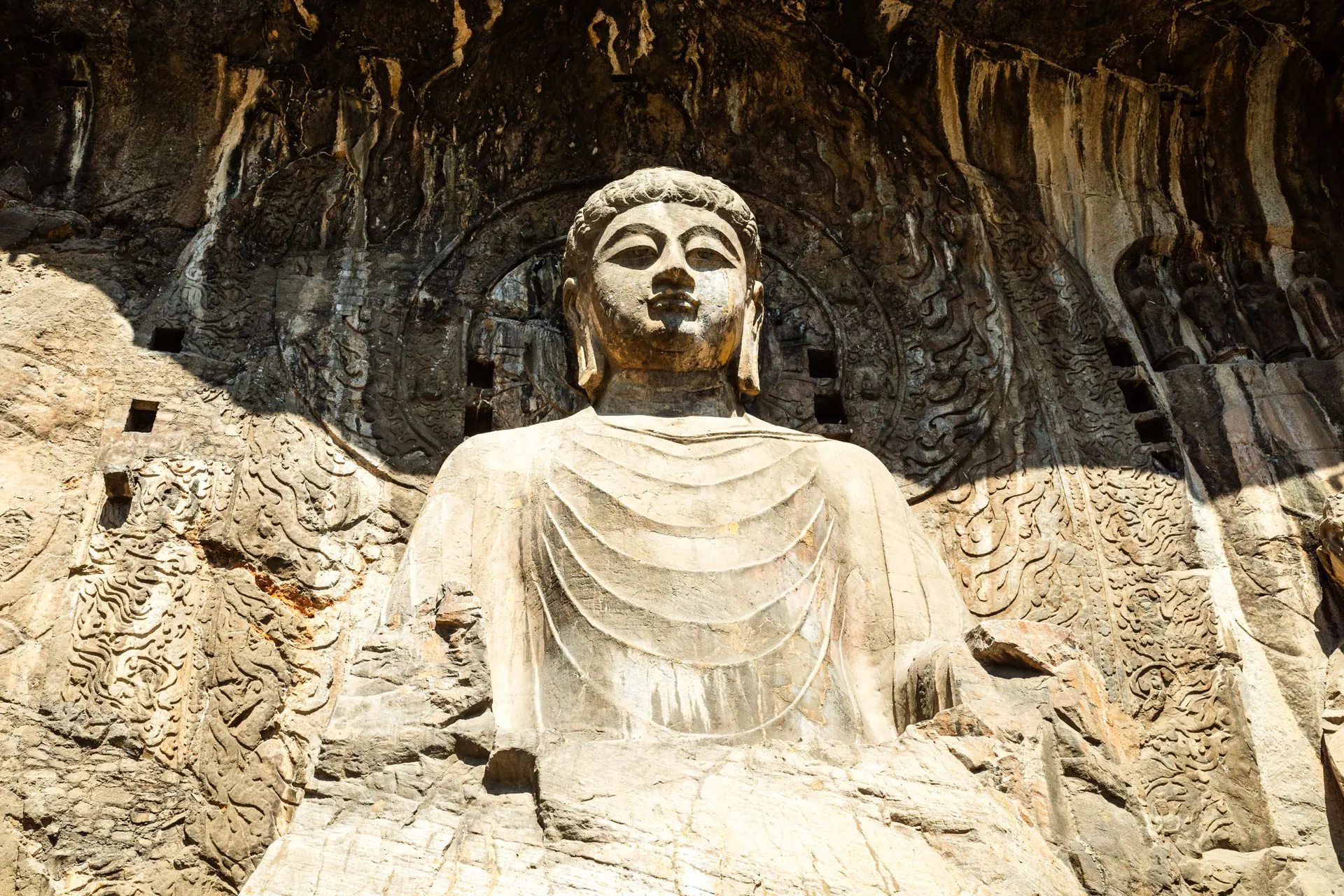
Longmen Grottoes
Cave Temple · Luoyang, Henan · 493 CE onward
The Longmen Grottoes are one of the finest examples of Chinese Buddhist cave art, with more than 2,300 caves and niches carved into a 1-kilometer limestone clif
 YNorthern Wei
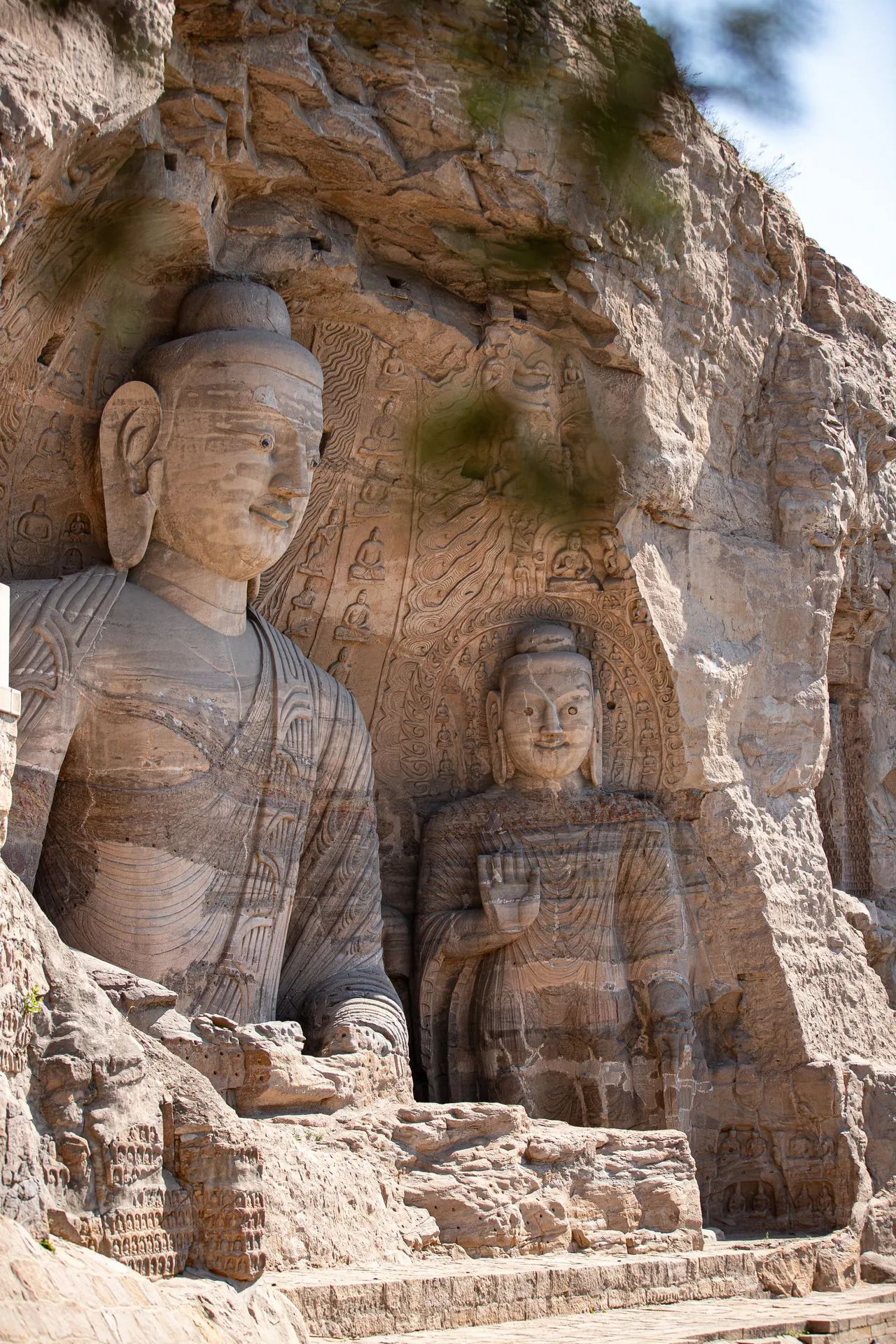
Yungang Grottoes
Cave Temple · Datong, Shanxi · 460-525 CE
The Yungang Grottoes are a monumental complex of 252 caves and 51,000 Buddhist statues carved into the sandstone cliffs near Datong between 460 and 525 CE. Comm
 MVarious (4th-14th c.)
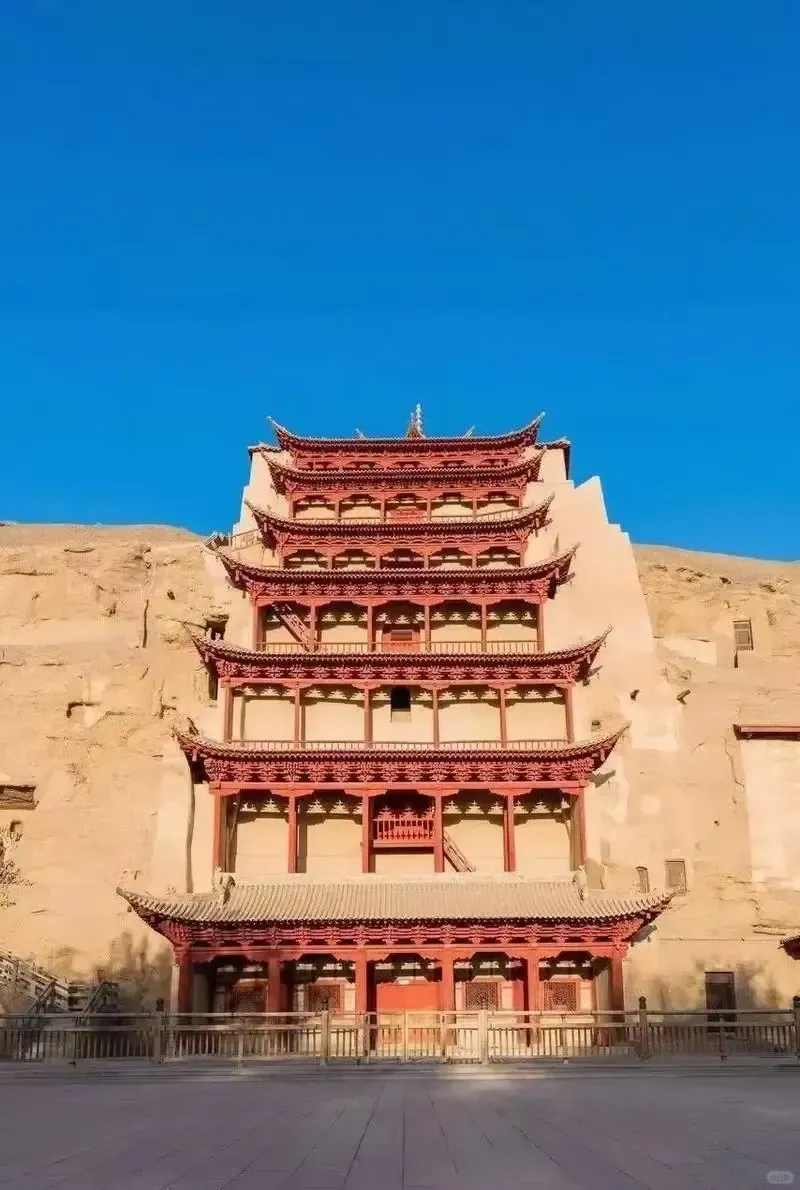
Mogao Caves
Cave Temple · Dunhuang, Gansu · 366 CE onward
The Mogao Caves, also known as the Caves of the Thousand Buddhas, are the largest and richest repository of Buddhist art in the world — 735 caves carved over a
 MMing
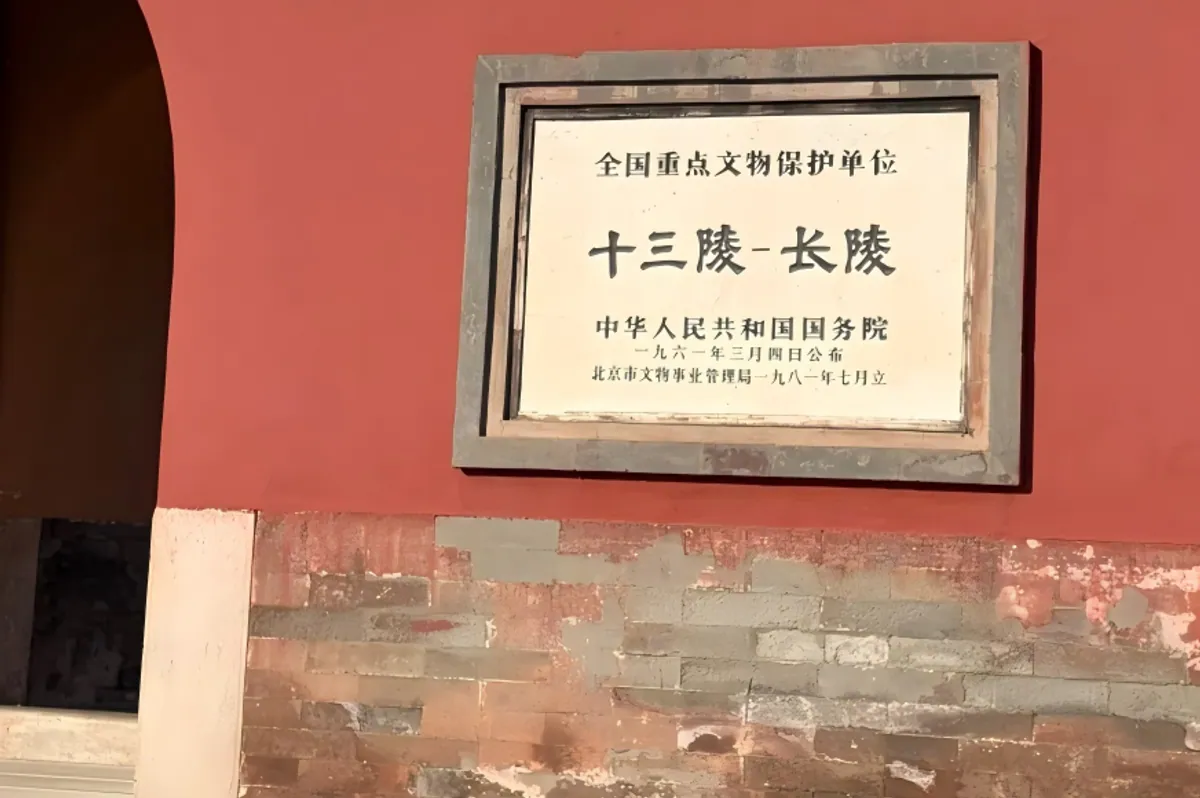
MMingMing Tombs
Imperial Mausoleum · Beijing · 1409-1644
The Ming Tombs (Shisanling) are the burial ground of thirteen of the sixteen Ming dynasty emperors — the largest imperial cemetery complex in the world, set in
 ZSui
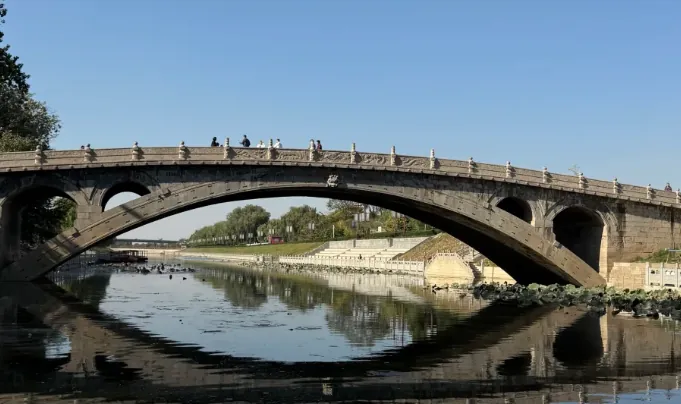
ZSuiZhaozhou Bridge
Bridge · Zhao County, Hebei · 595-605 CE
The Zhaozhou Bridge (also called Anji Bridge) is the oldest open-spandrel segmental arch bridge in the world — a stone bridge built in 605 CE that has survived
 GTang
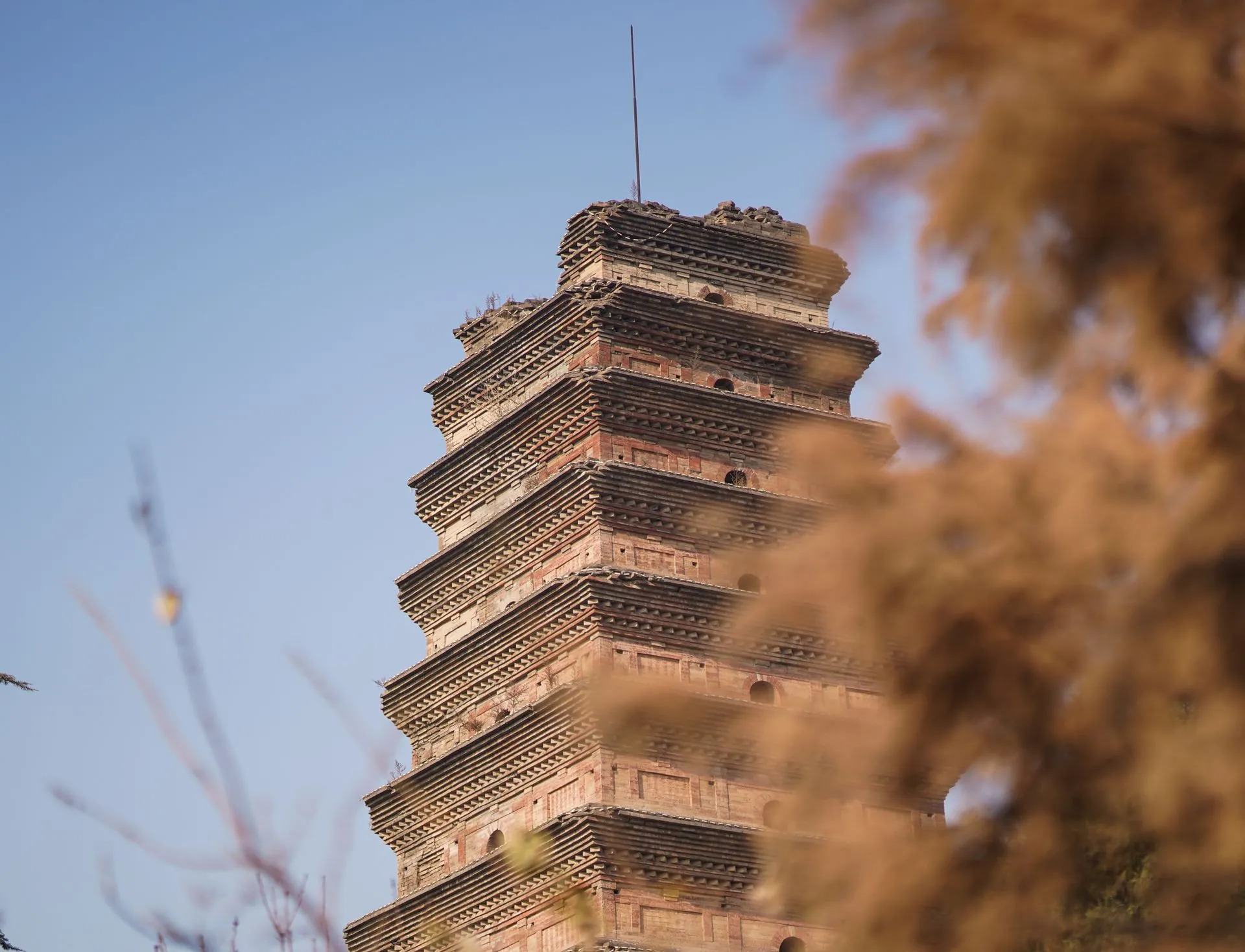
GTangGiant Wild Goose Pagoda
Pagoda · Xi'an, Shaanxi · 652 CE
The Giant Wild Goose Pagoda is the most iconic surviving monument of Tang dynasty Chang'an and one of the finest examples of Chinese brick pagoda architecture.