Explore 3,000 Years of Heritage
From the sweeping roofs of the Forbidden City to the intricate dougong brackets of Tang temples. Discover where to go, what you are looking at, and how to understand it.
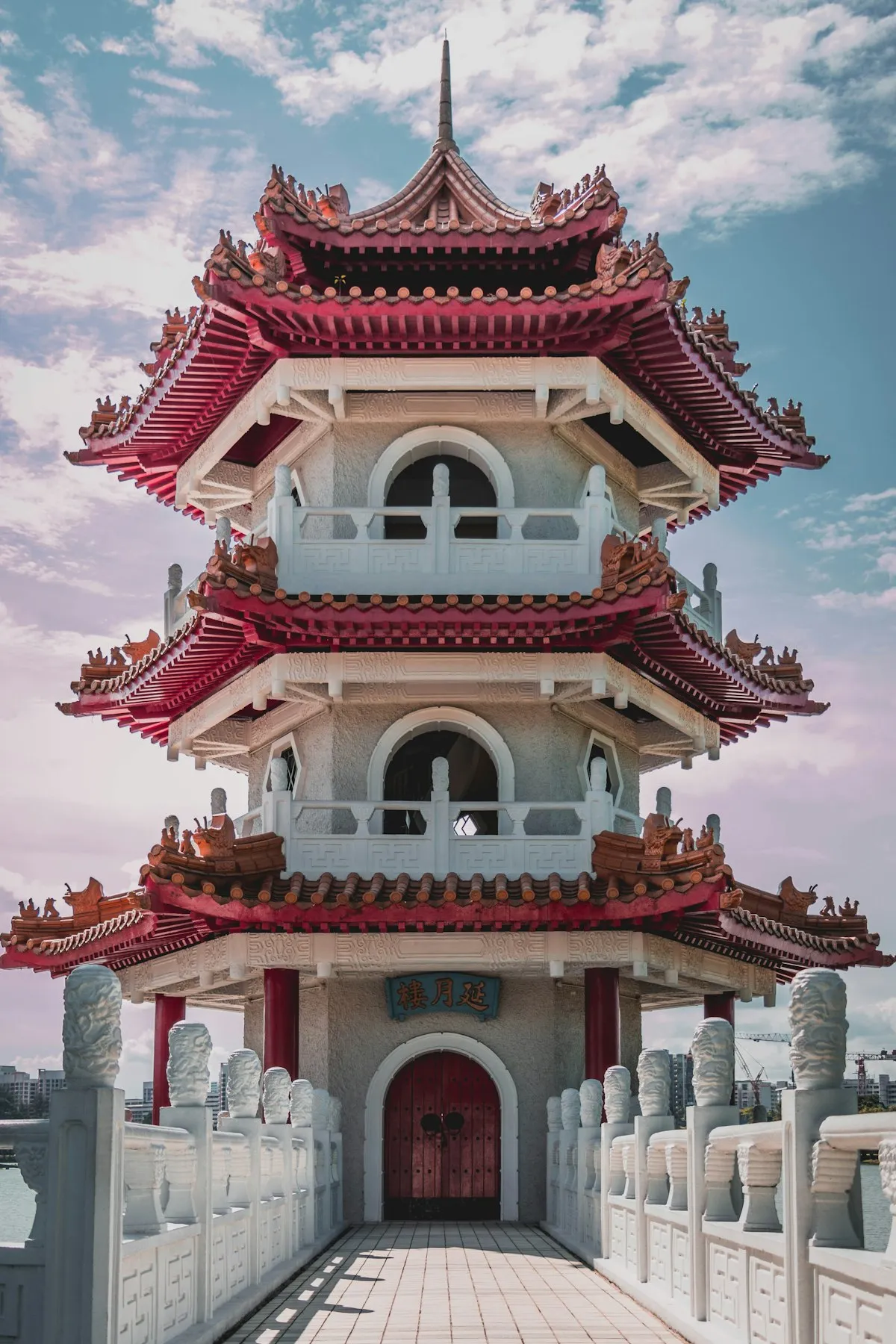
Ancient Chinese architecture is one of the world's oldest continuous building traditions, spanning over3,000 years from the Shang dynasty (1600 BCE) through the fall of the Qing in 1911. Unlike the stone monuments of Egypt or Greece, Chinese builders perfectedtimber-frame construction — a system of interlocking wooden columns, beams, and brackets that proved remarkably resilient against earthquakes while allowing for wide, graceful roofs with deep overhanging eaves.
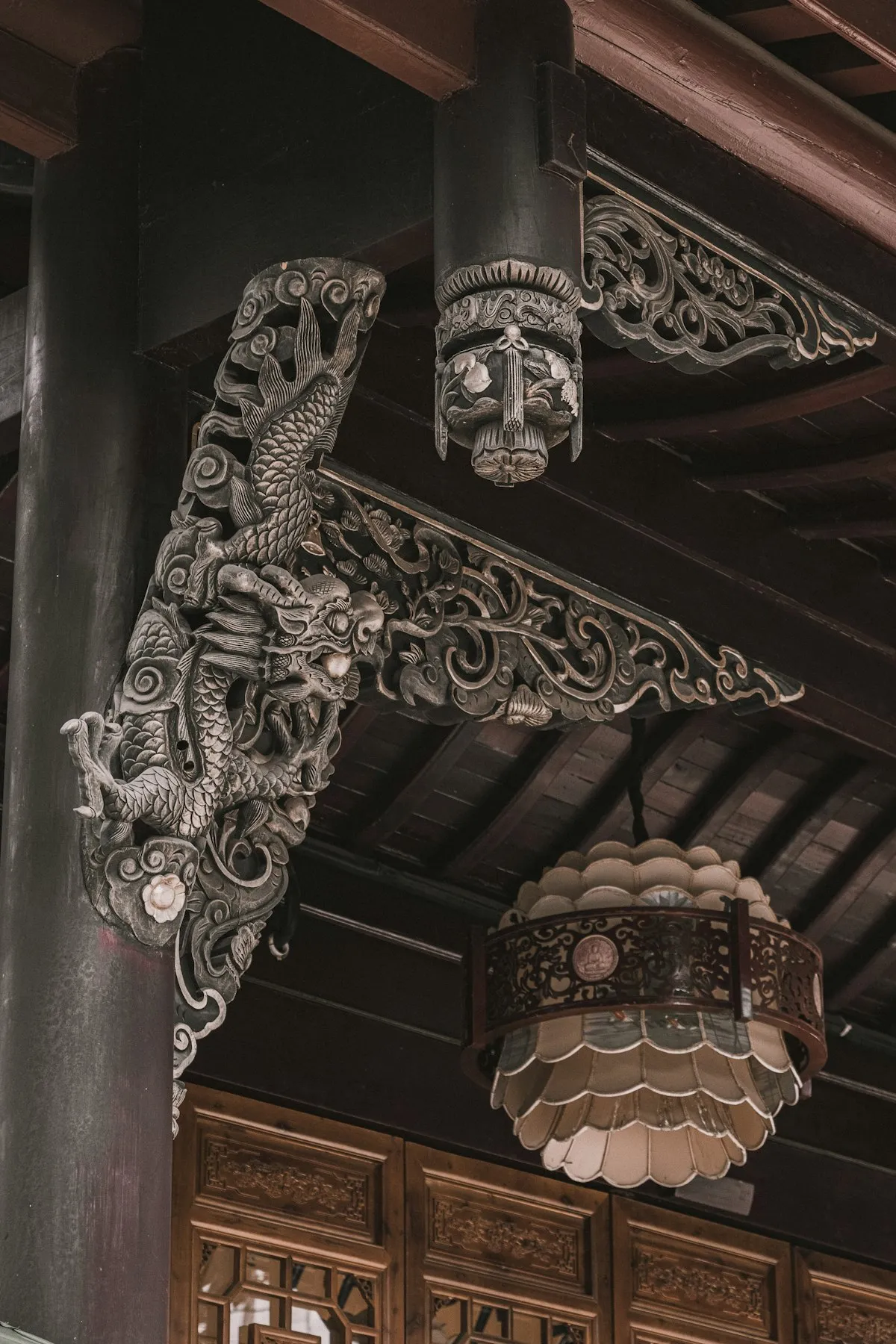
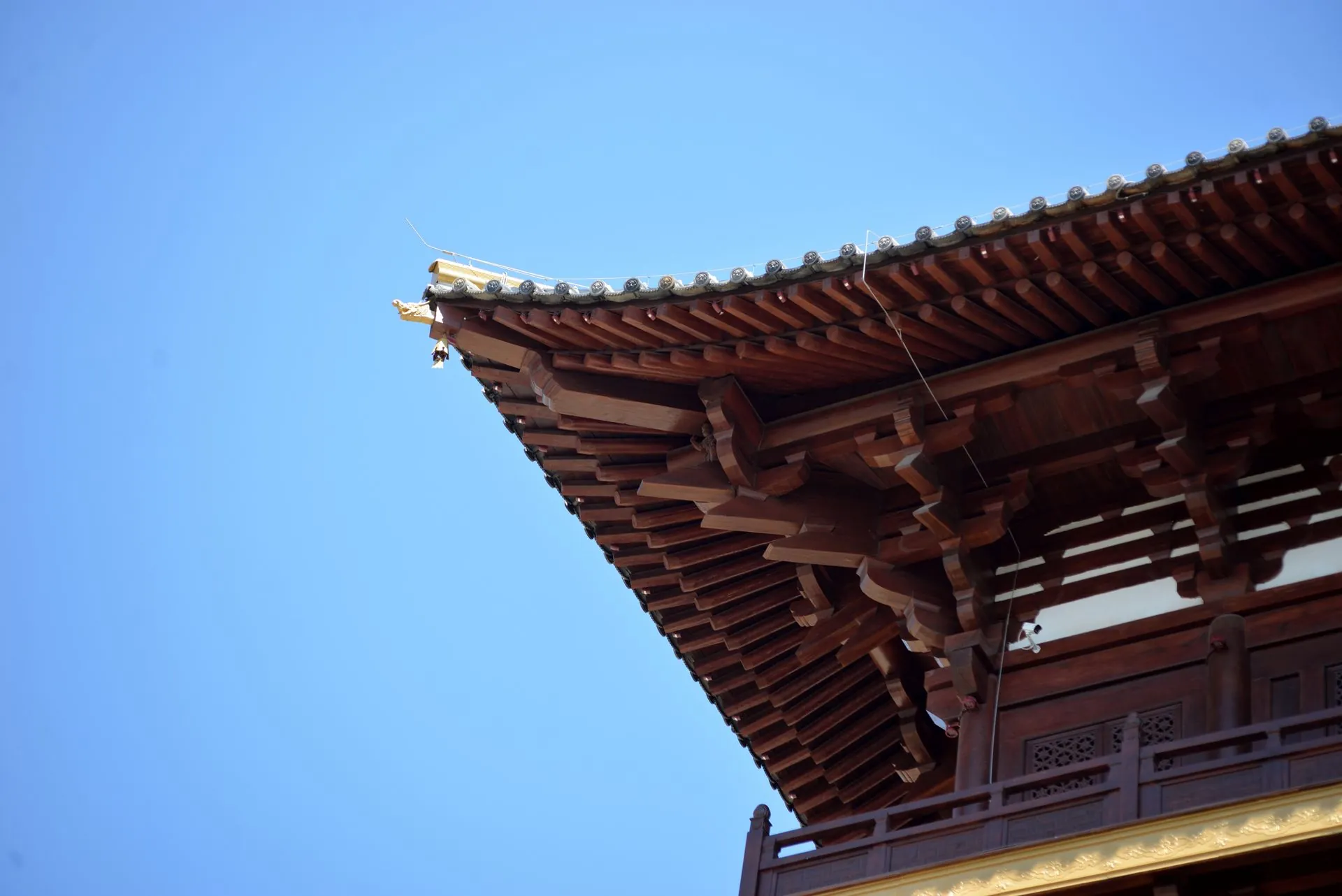
The stakes of that system can be measured in surviving buildings. The East Hall of Foguang Temple (857 CE) has stood for over 1,100 years with no nails in its frame; theYingxian Pagoda (1056 CE) has survived more than 40 recorded earthquakes, including the 7.8-magnitude Tangshan quake of 1976 that leveled concrete buildings nearby. At the heart of this resilience is the dougong (斗拱) — an interlocking bracket system that distributes roof weight onto columns and converts seismic energy into harmless friction, the same principle behind modern base isolators.
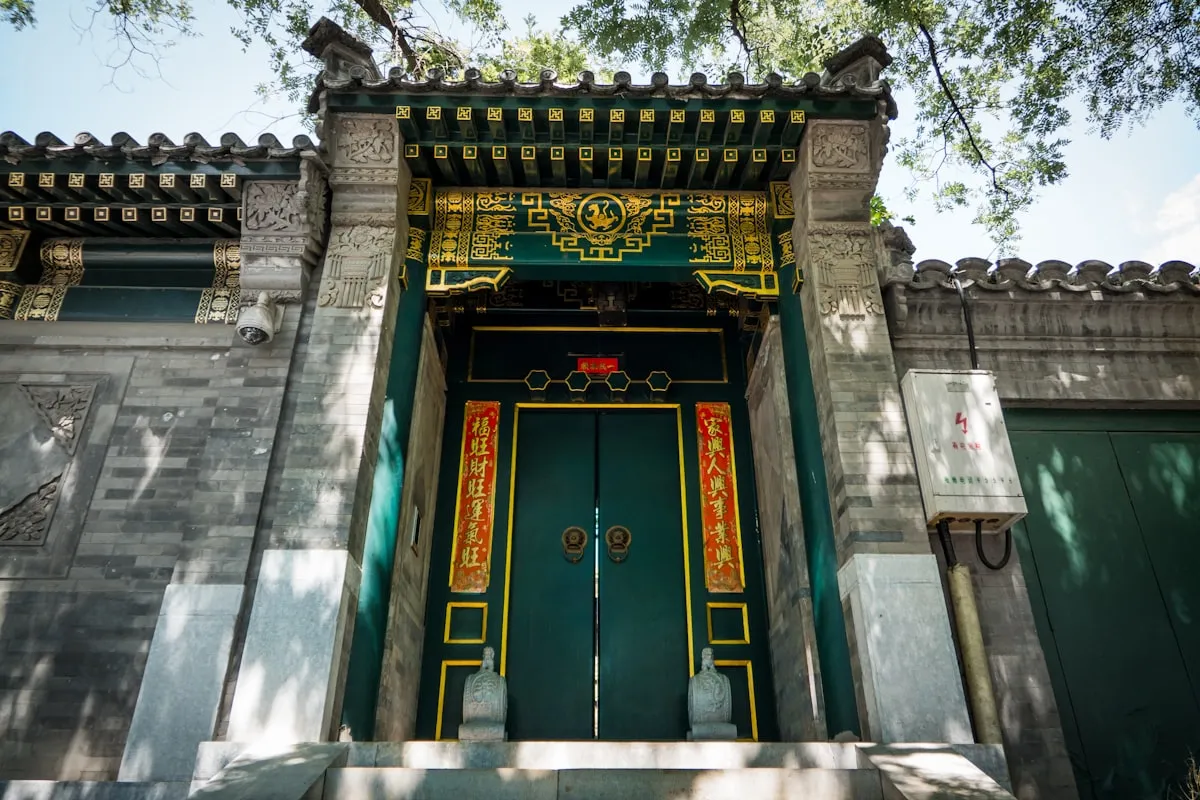
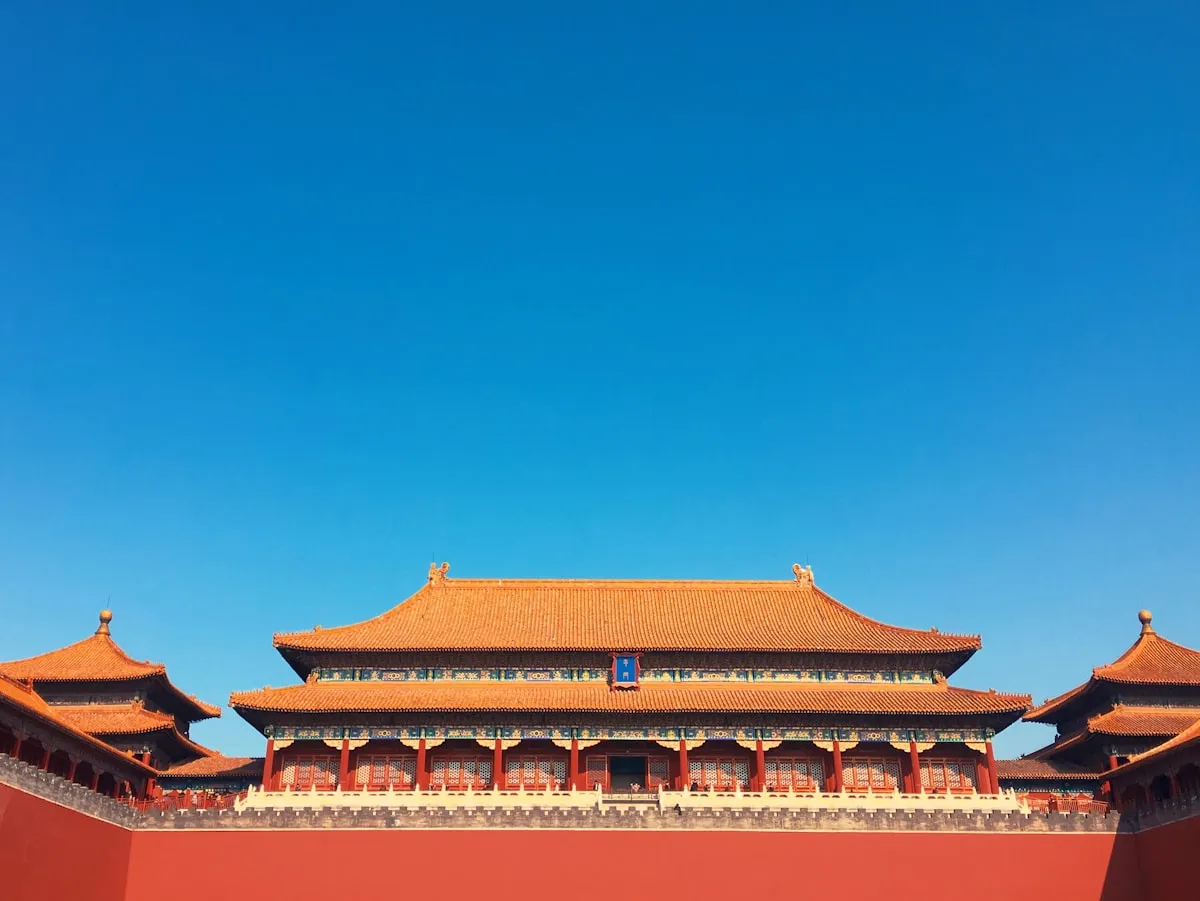
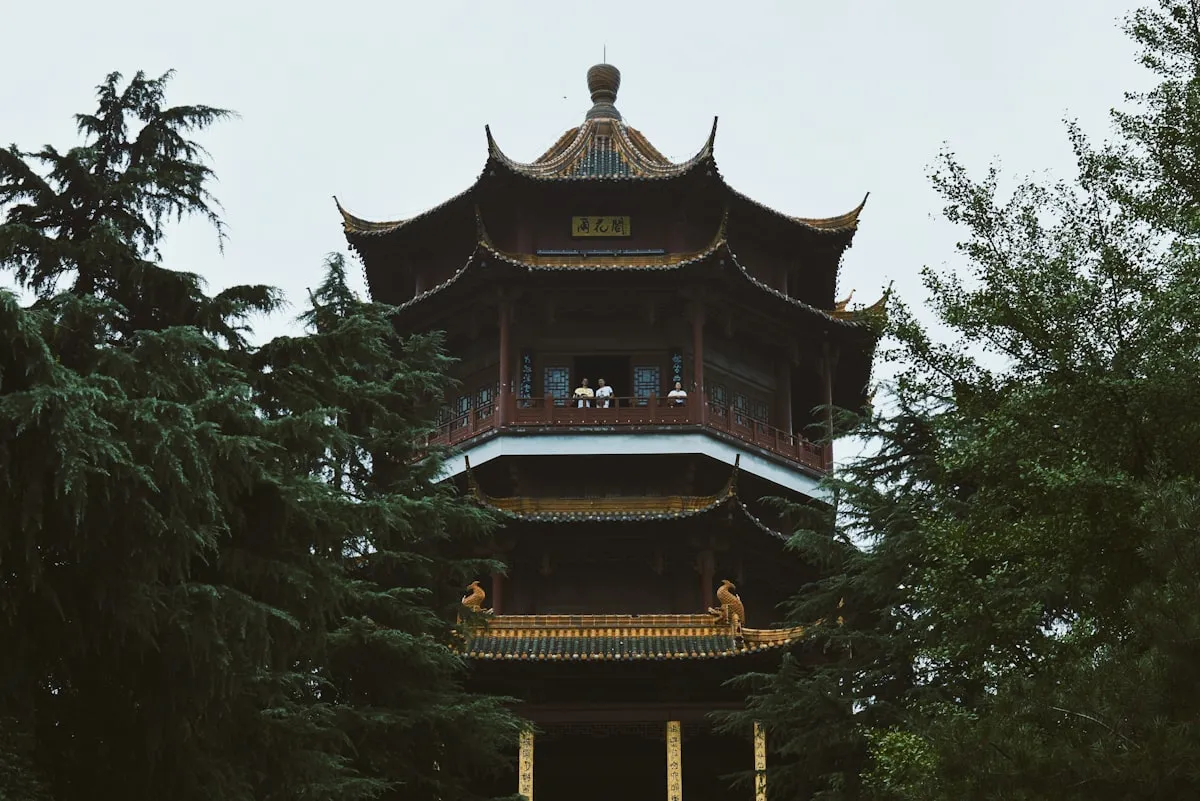
Beyond engineering, Chinese architecture is a written language of power. The color of a roof tile, the number of beasts on a ridge, and the width of a hall were regulated by law: yellow-glazed roofs belonged to the emperor alone, the Hall of Supreme Harmony's ten ridge beasts were the legal maximum, and commoners were barred from the hip roof form under penalty of prosecution. Every courtyard, axis, and gateway encodes a hierarchy — from the Forbidden City's 980 buildings laid along a 960-meter axis to the humblest Beijing siheyuan. This language shaped East Asia: the temple architecture of Japan, the palaces of Korea, and the pagodas of Vietnam all descend from Chinese prototypes.
Wood is mortal, and few buildings older than the Tang dynasty (618–907) survive above ground. What does remain — the Forbidden City, the Temple of Heaven, the remote Tang-era Foguang Temple, and cave temples carved with a hundred thousand Buddhist images — is largely open to visitors. Whether you are planning a trip, researching for a project, or simply curious about the roof you saw in a photograph, everything on this site is built to help you explore, understand, and experience China's architectural heritage.
Whether you are planning a trip, deep in research, or standing in front of a building right now — we have the right entry point for you.
Pre-Visit
See which buildings you can visit today, the best season to go, how to get there, and where to get the perfect photograph.
Browse travel-ready buildingsDeep Dive
Explore architecture by dynasty, understand structural principles like dougong engineering, and compare styles across 3,000 years.
Explore by dynastyOn-Site
You are standing in front of a Chinese building. What dynasty is it? Answer three quick visual questions and find out.
Try the identifierEach dynasty left its mark on China's built landscape. Scroll through 3,000 years of architectural evolution.
1600-1046 BCE
Rammed earth foundations, early timber frames.
1046-256 BCE
Courtyard compounds, bracket sets emerge.
221-206 BCE
Great Wall begins, monumental scale.
Can visit today206 BCE-220 CE
Multi-story towers, ceramic tile roofs.
Can visit today618-907
Golden age: bold proportions, sweeping roofs.
Can visit today960-1279
Refined elegance, intricate dougong.
Can visit today1271-1368
Mongol influence, Tibetan Buddhist forms.
Can visit today1368-1644
Forbidden City, standardized modules.
Can visit today1644-1912
Ornate decoration, garden architecture.
Can visit todayOn-Site Tool
Standing in front of a Chinese building? Answer three visual questions to narrow down which dynasty it belongs to.
Select one option from each row above, and the dynasty will appear here.
Six defining elements that set ancient Chinese buildings apart from any other architectural tradition.

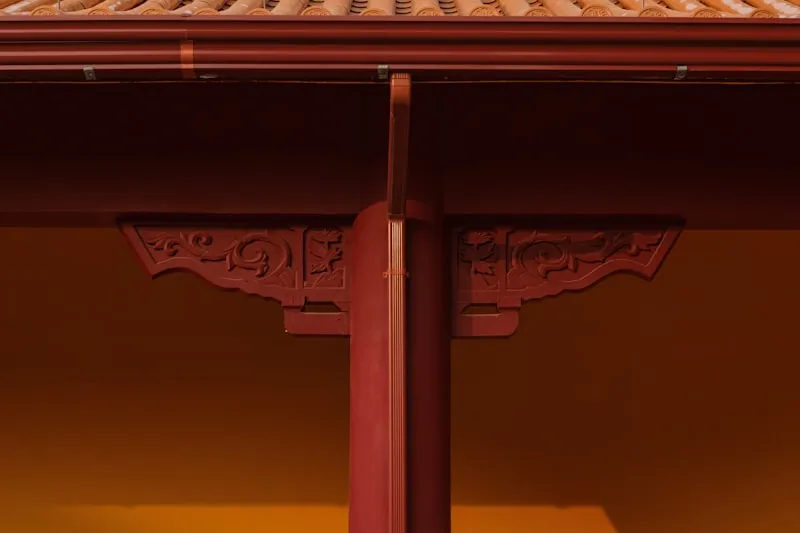
The dougong is the most distinctive and ingenious element of traditional Chinese architecture. It is an interlocking system of woo…
Learn more
The roof is the most legally regulated element of Chinese architecture. Five principal forms — hip, hip-and-gable, overhanging gab…
Learn more
The courtyard — whether the humble siheyuan of Beijing or the vast walled compounds of the Forbidden City — is the fundamental org…
Learn more
Chinese architectural decoration is a legally enforced language of rank. The ridge beasts marching along the roof are talismans th…
Learn more
The genius of Chinese architecture lies in its materials and structural logic. Wood was always the preferred building material — n…
Learn more
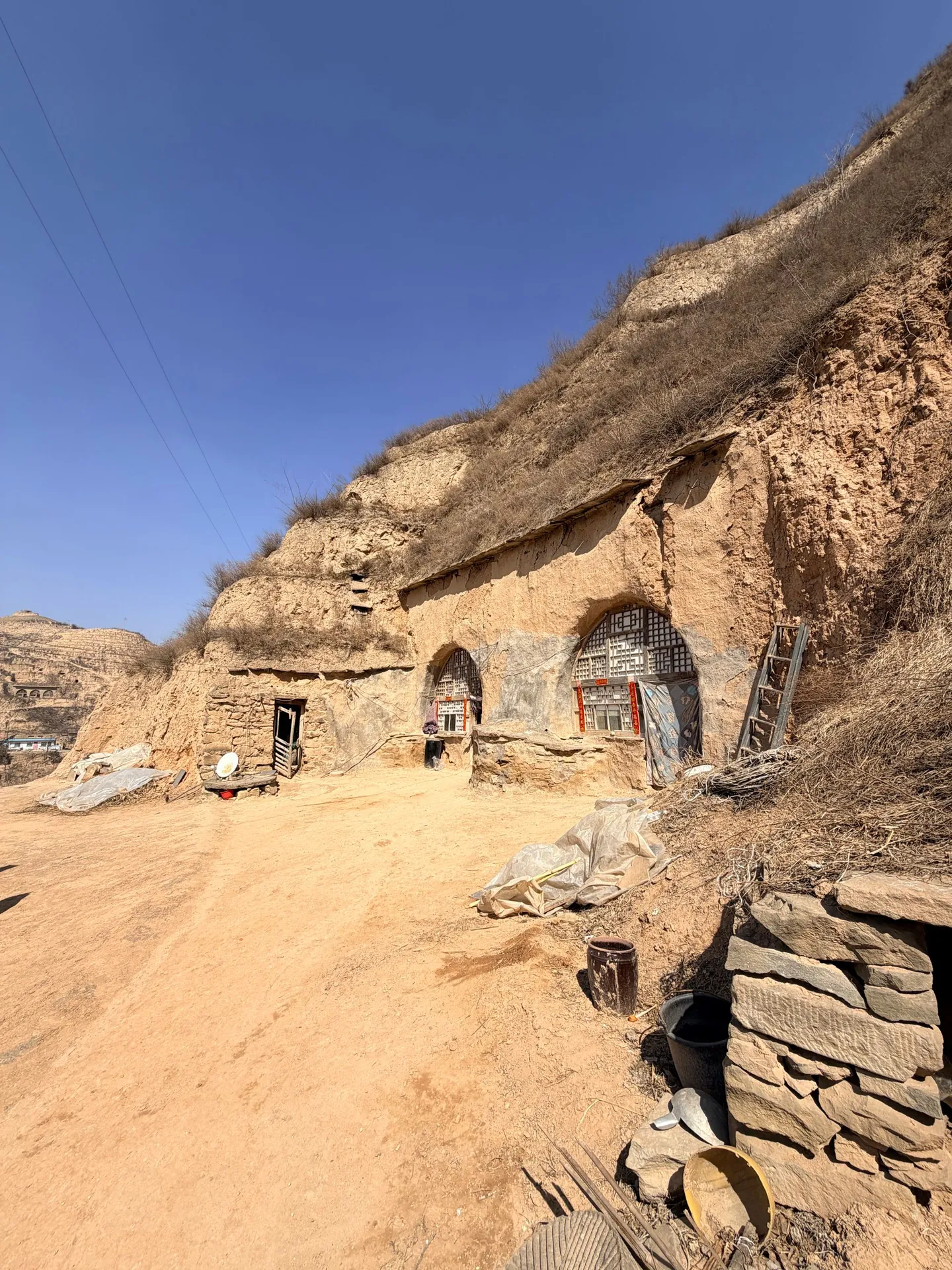
Beyond palaces and temples lies the architecture of ordinary people — the vernacular tradition that adapted China's diverse climat…
Learn moreAll of these structures are open to visitors. Each card includes practical information to help you plan.

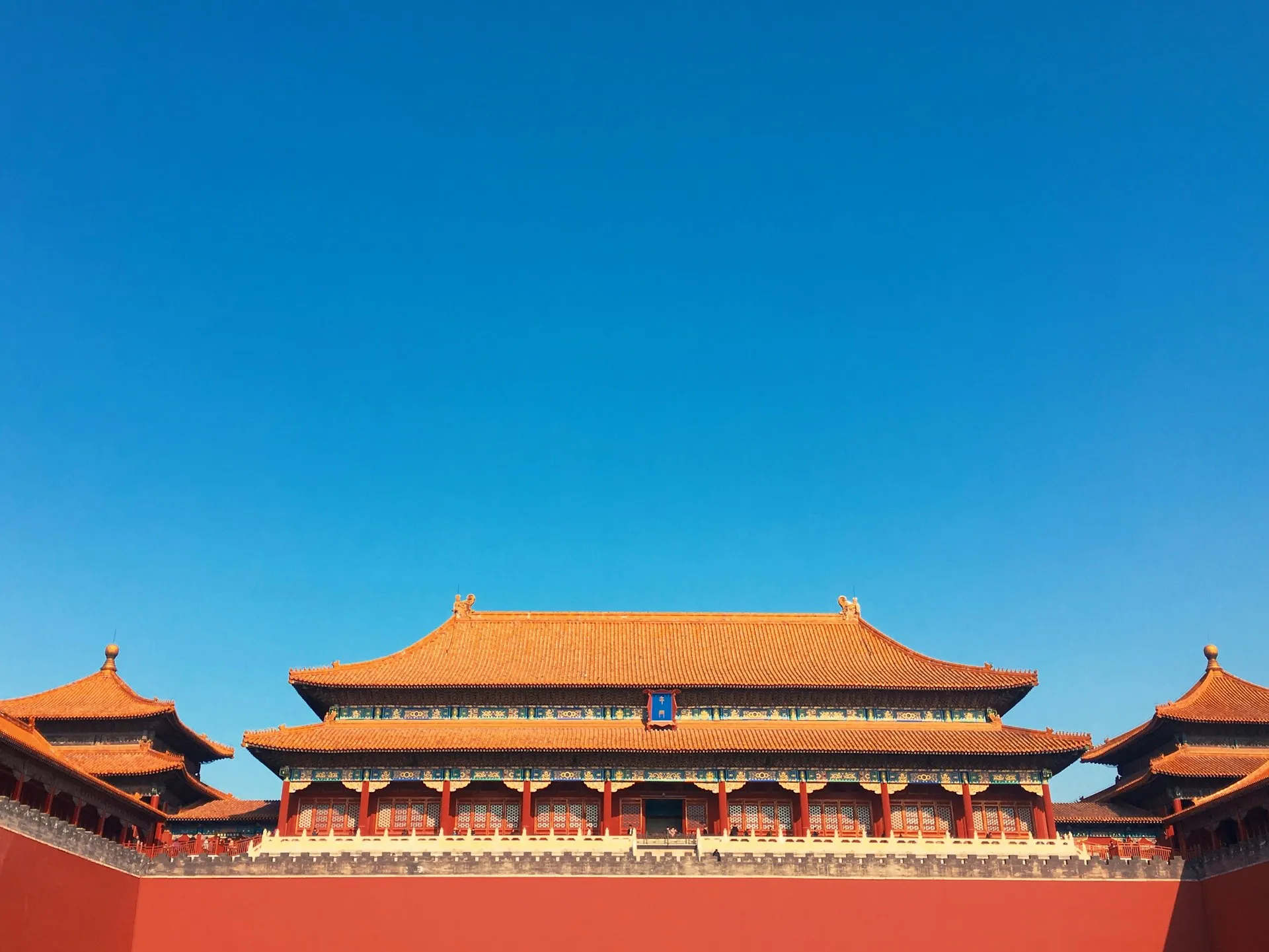
Zijincheng · Beijing · 1406-1420

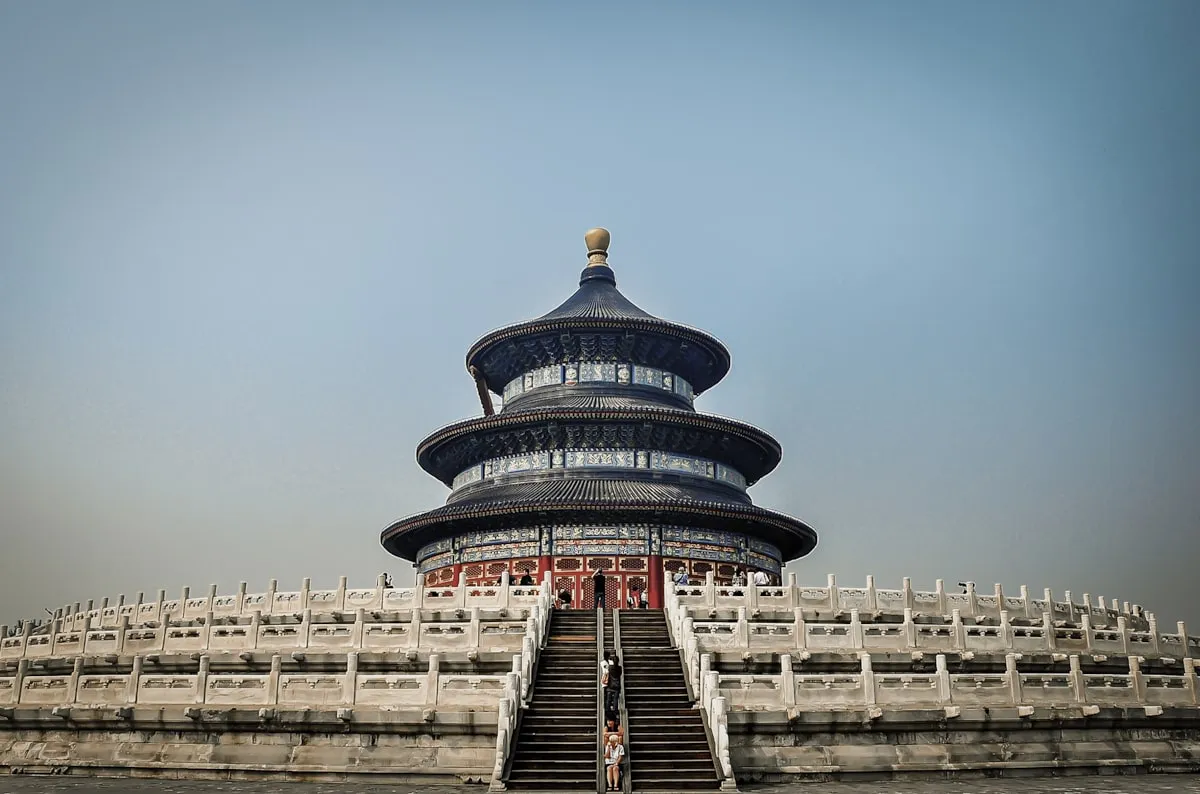
Tiantan · Beijing · 1420

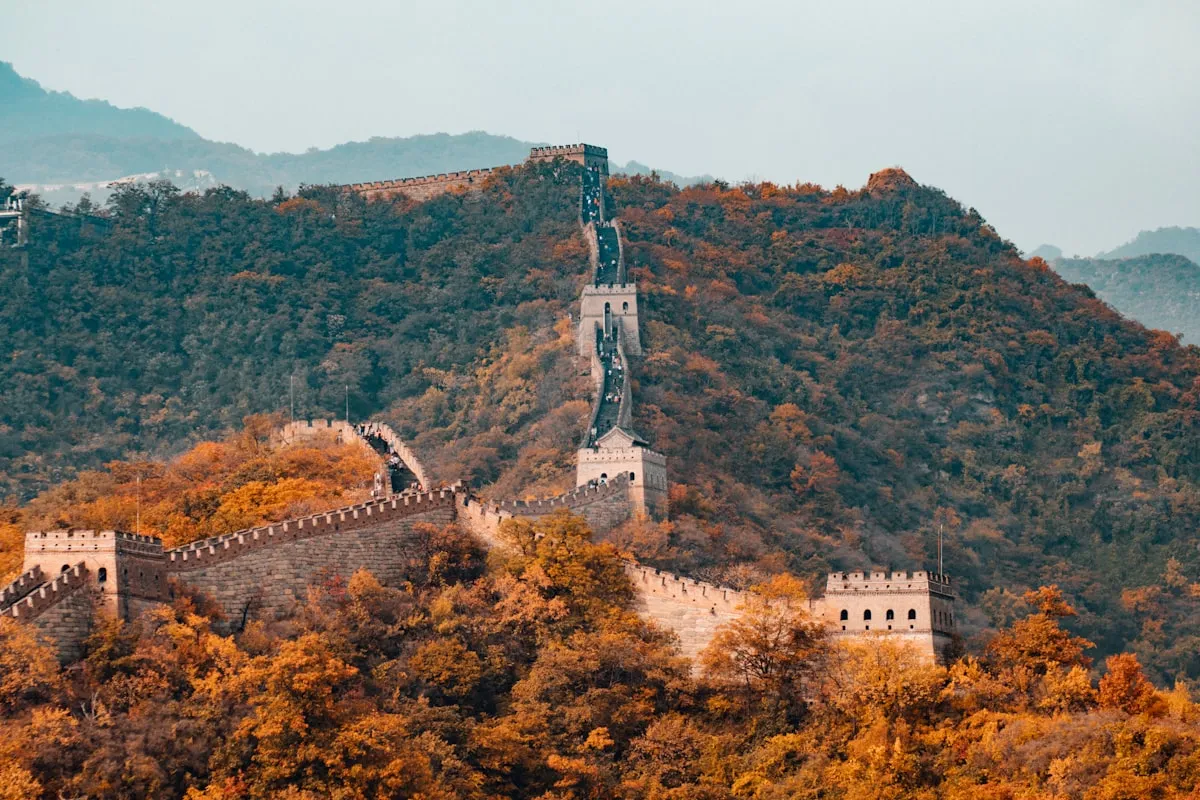
Changcheng · Northern China · Various (Ming sections: 14th-17th c.)

Foguangsi · Shanxi Province · 857 CE (East Hall)

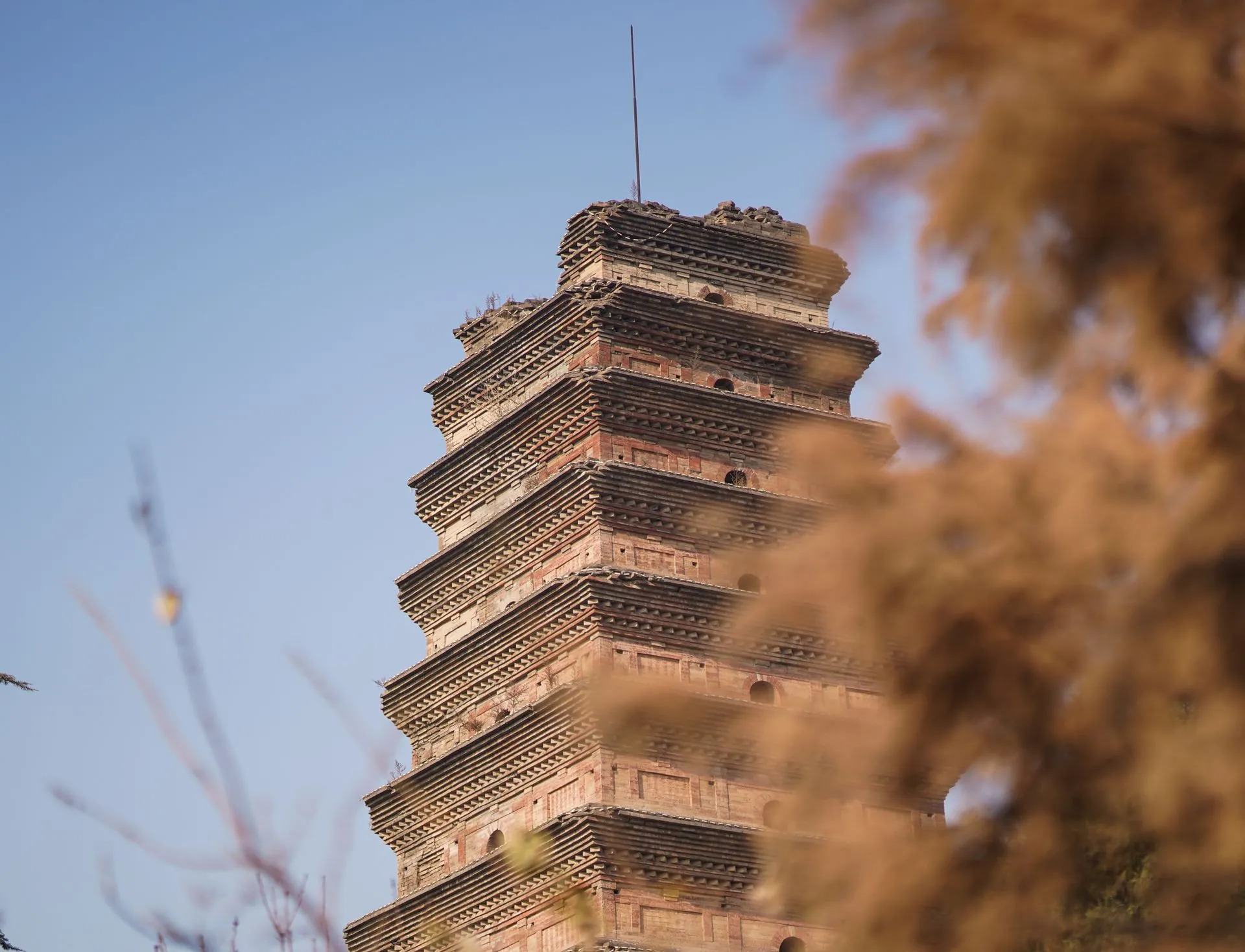
Yingxian Muta · Shanxi Province · 1056 CE

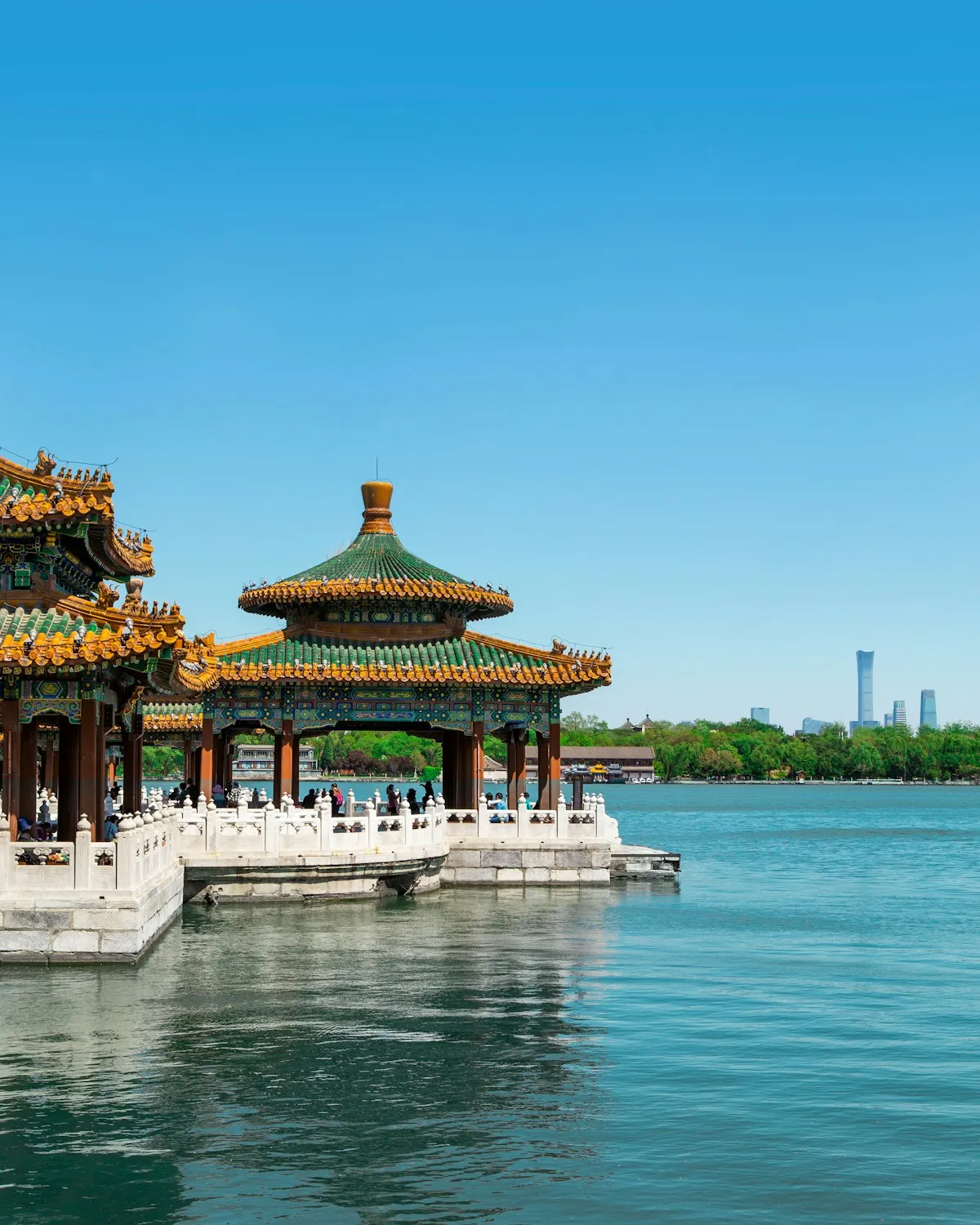
Yiheyuan · Beijing · 1750 (rebuilt 1886)

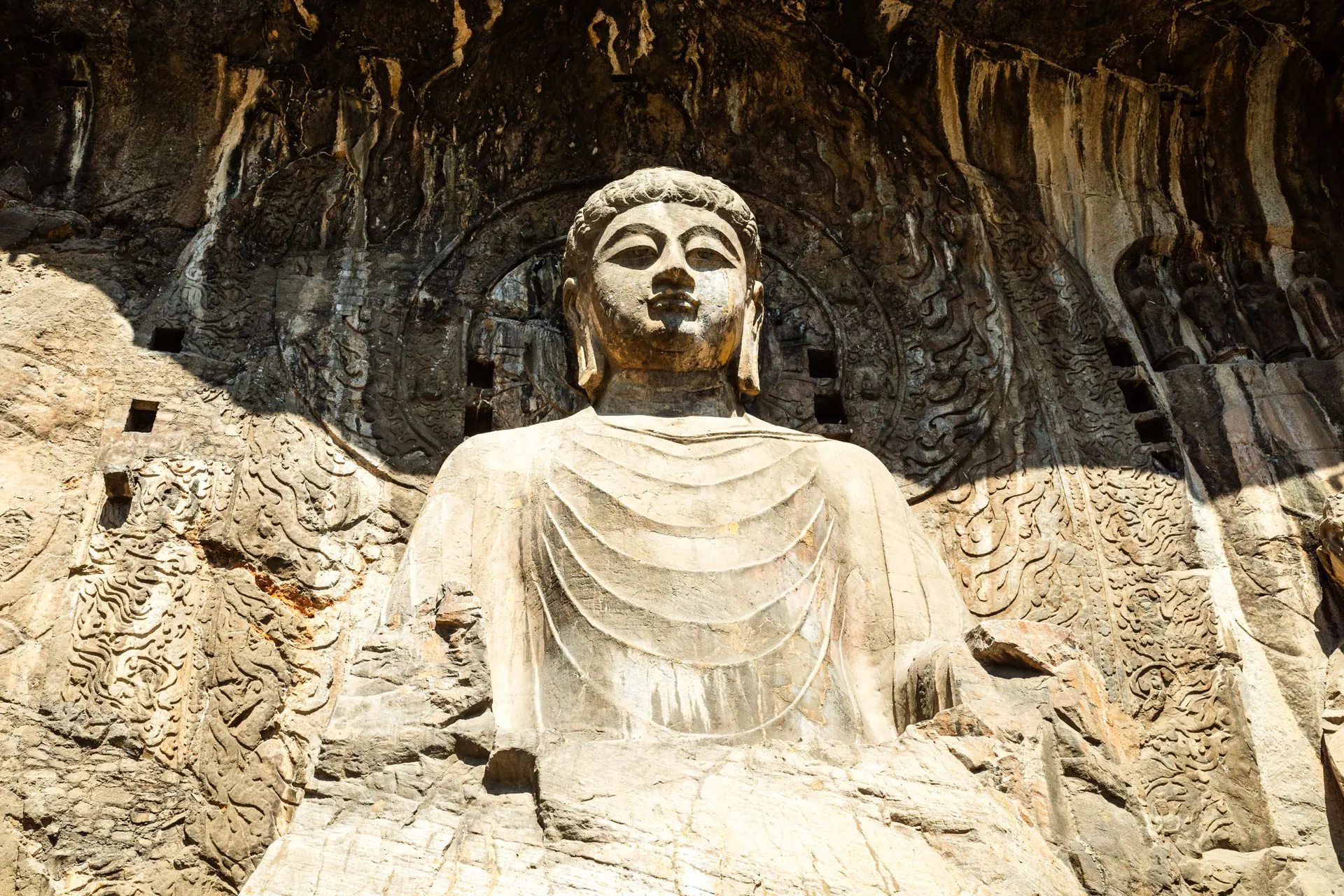
Longmen Shiku · Luoyang, Henan · 493 CE onward

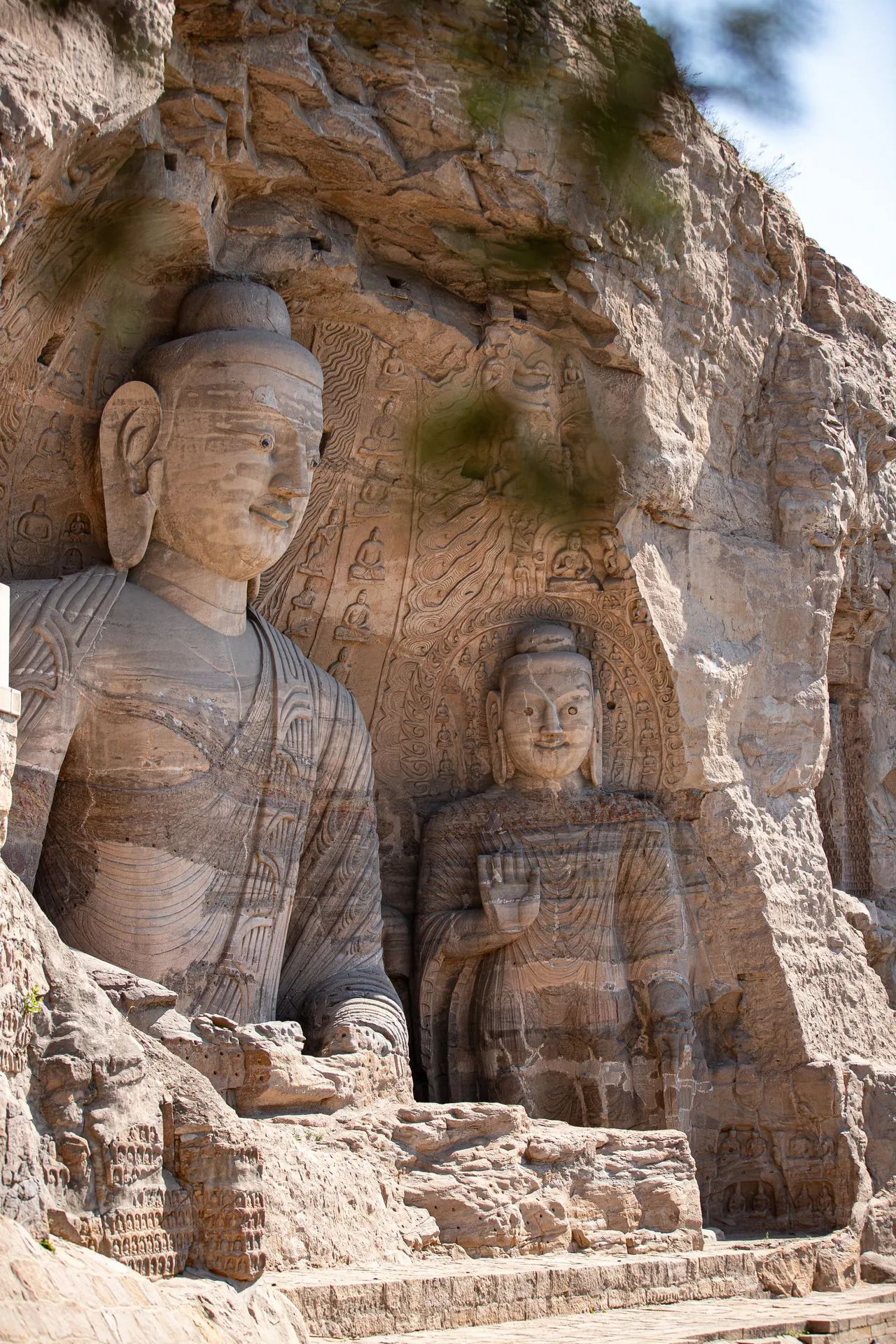
Yungang Shiku · Datong, Shanxi · 460-525 CE

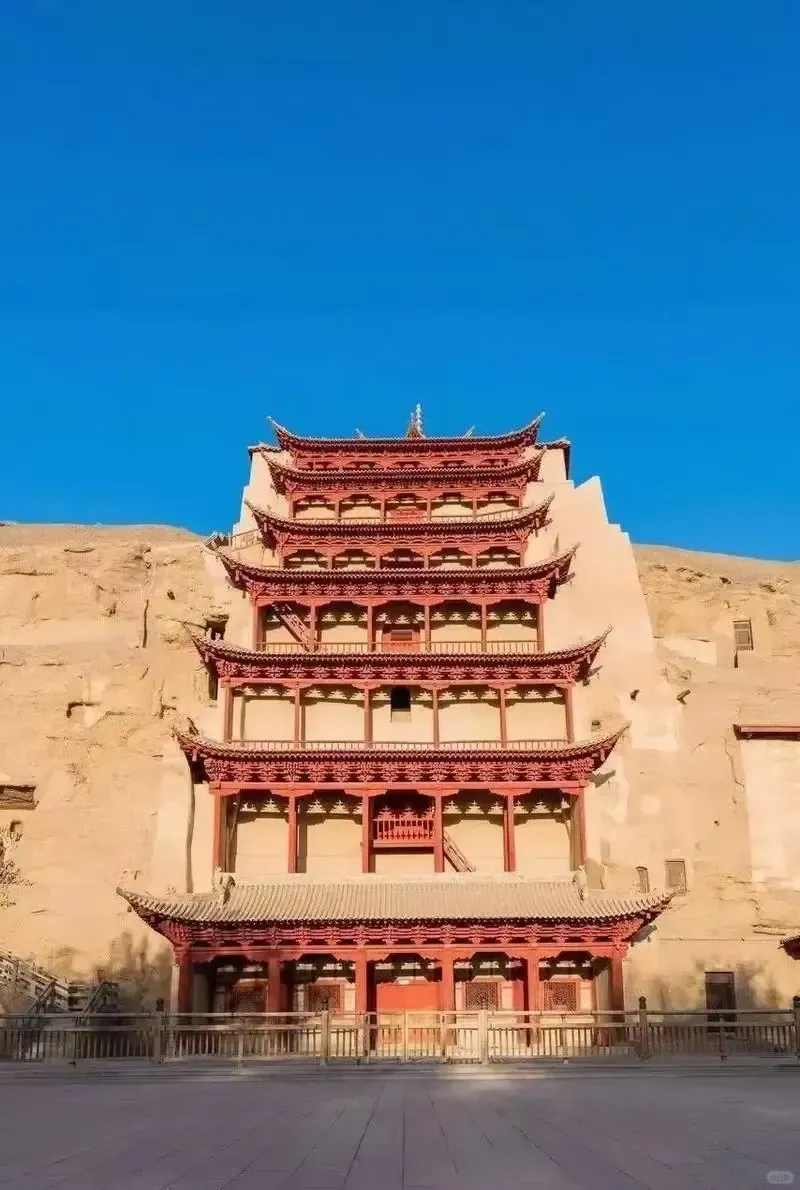
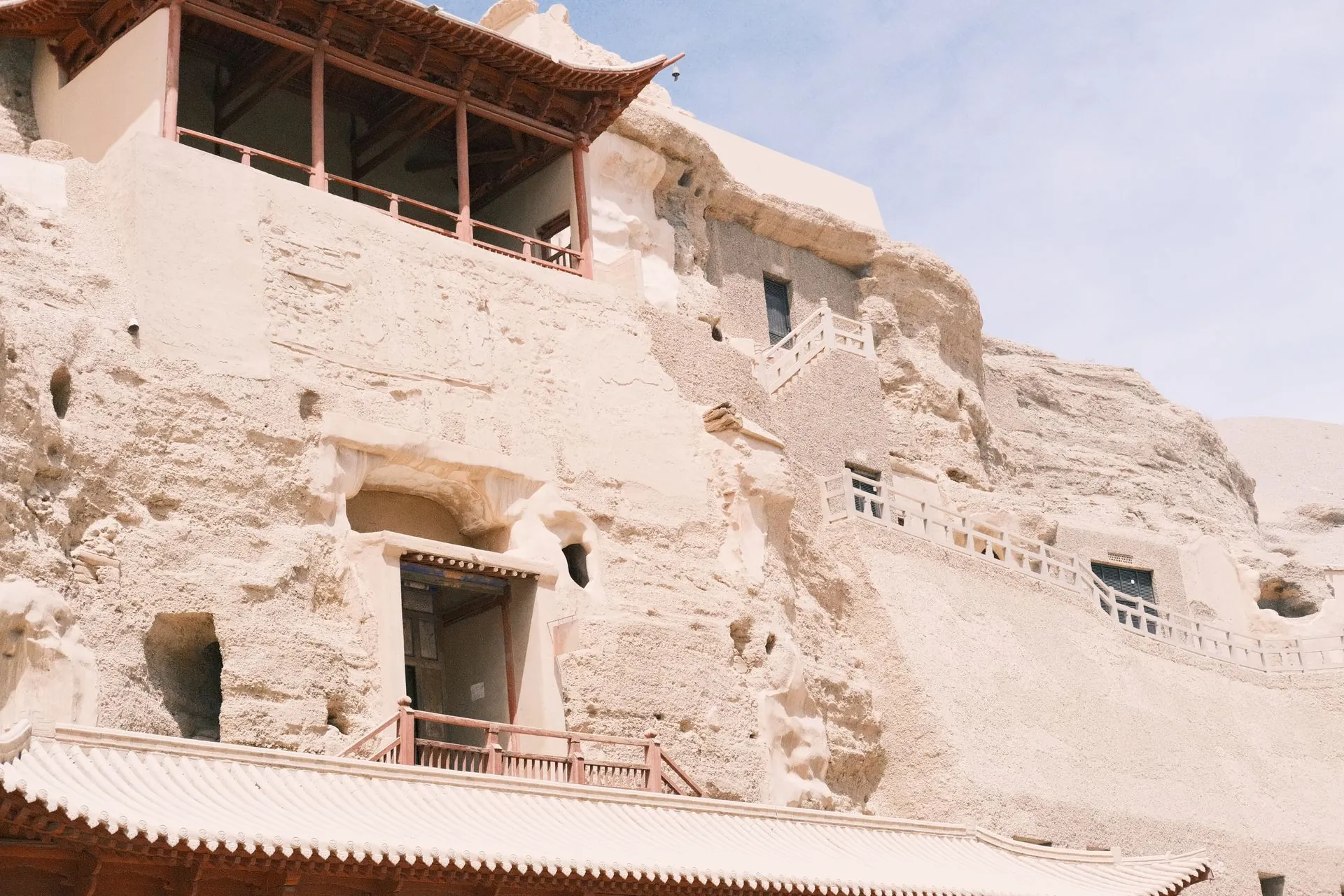
Mogao Ku · Dunhuang, Gansu · 366 CE onward

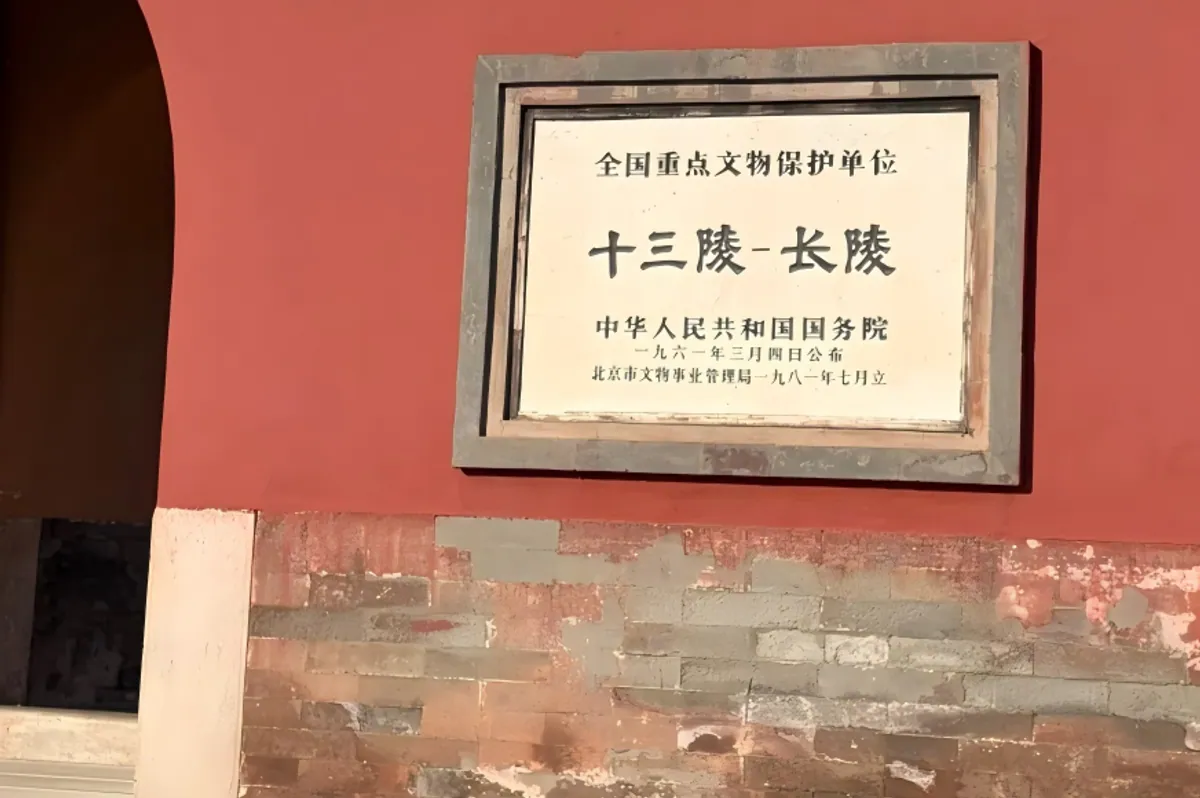
Shisanling · Beijing · 1409-1644

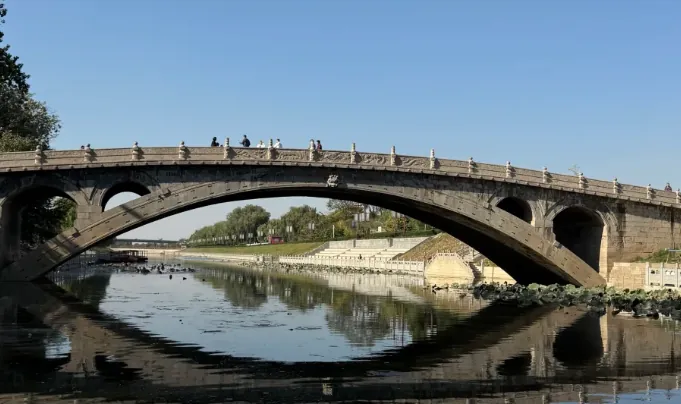
Anji Qiao · Zhao County, Hebei · 595-605 CE

Dayan Ta · Xi'an, Shaanxi · 652 CE
Two deep-dive guides that connect individual monuments to the bigger ideas of Chinese architecture — the city and the cliff.
3 UNESCO SitesSpecial Topic
Mogao, Yungang & Longmen — for a thousand years, Buddhist patrons carved entire sacred cities out of living rock along the Silk Road.
Explore the topic
3,000 Years of CitiesSpecial Topic
Walled cities, the Kaogongji grid, Tang Chang'an's ward system and the 7.8 km Beijing Central Axis — how emperors ordered space.
Explore the topicRight Now
A seasonal recommendation based on weather, crowds, and what's at its best this month.

Northern China · October for autumn foliage; avoid summer weekends and Chinese holidays
August mornings at Mutianyu are spectacular — the wall is often shrouded in mist that burns off to reveal dramatic mountain views.
Plan your visitPhotography
Practical photography tips for visitors, from the best time of day to the most rewarding compositions.
Ancient Chinese buildings face south. Shoot in the early morning for front-lit facades, or late afternoon for warm side-light that brings out carved details and roof textures.
Chinese architecture is built on axial symmetry. Start with a centered composition to honor the design, then move off-axis for dramatic depth and layering of courtyards.
Moon gates, lattice windows, and colonnades create natural frames. Shoot through them to add depth and tell the story of moving through space.
Side-by-side comparison reveals how Chinese architectural philosophy shifted from bold grandeur to refined elegance.
618 - 907 CE

960 - 1279 CE

Itineraries
From a weekend in Shanxi to a grand two-week tour, we have mapped out routes that connect the most significant buildings.
The Imperial Core
3 days · 4 stops
Tip: Book Forbidden City tickets 7 days ahead. Start each day early — all sites open by 8:30am.
Ancient Timber Treasures
2 days · 2 stops
Tip: Rent a car in Taiyuan. The mountain roads are well-maintained. Combine with a detour to the Hanging Temple near Datong if you have an extra day.
Two Weeks Across Dynasties
14 days · 3 stops
Tip: Fly into Beijing, out of Taiyuan or Xi'an. October is the ideal month for this route — autumn foliage from the Great Wall to the Shanxi mountains.
Where to Find Them
All six featured buildings are open to visitors. Here is where they are and how to plan your route.
The Imperial Capital
All four are accessible by Beijing subway or short drive. 4-5 days recommended.
Ancient Timber Heartland
Rent a car in Taiyuan. The two sites are 2 hours apart. Best combined with a trip to Datong.
2 weeks ago
1 month ago
2 months ago
The main hall of Foguang Temple (Nanchan Temple), built in 782 CE during the Tang dynasty, is China's oldest surviving timber-frame structure.
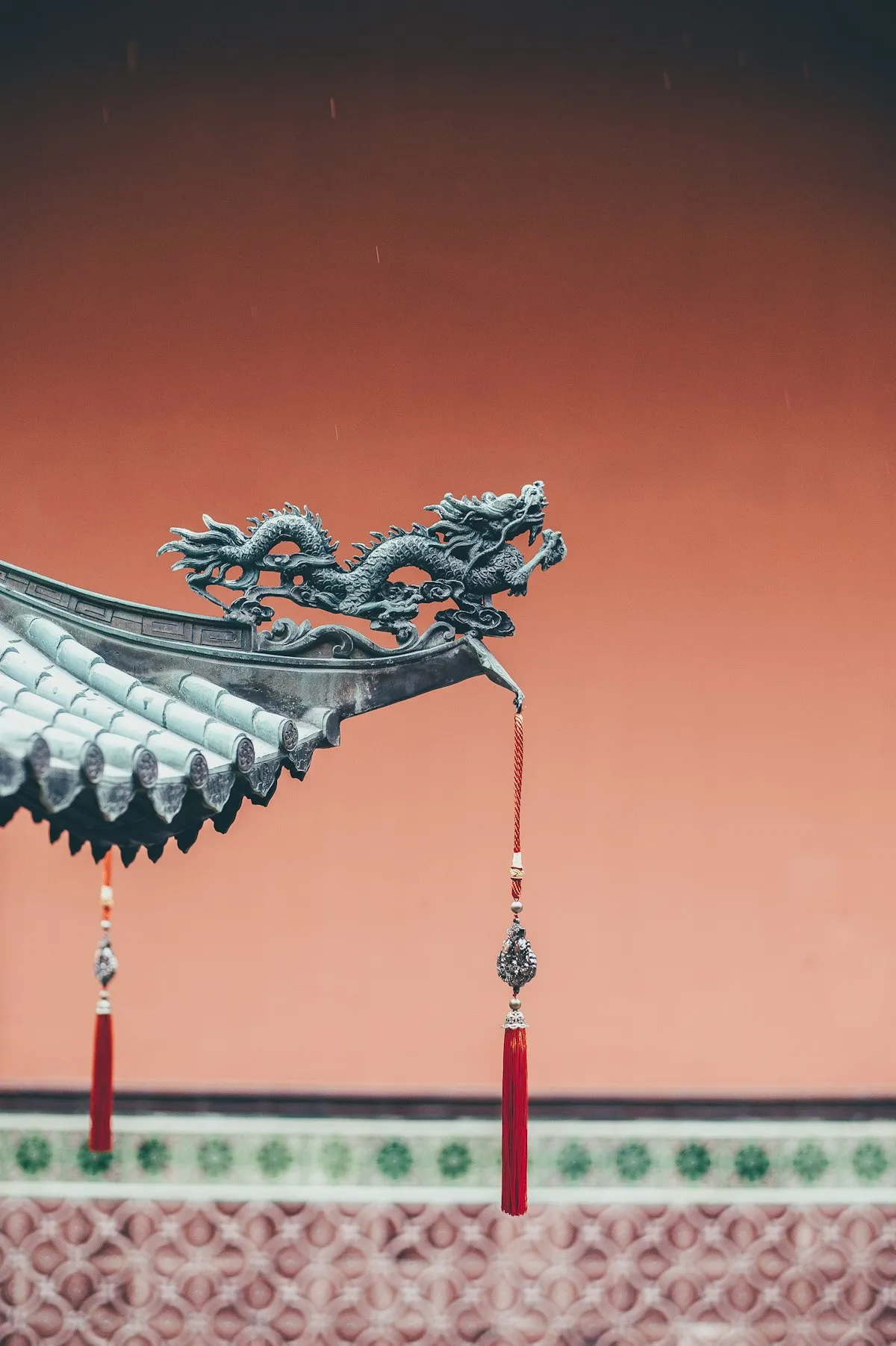
The upward sweep serves both practical (water drainage, sunlight) and symbolic purposes (warding off evil spirits, expressing aspiration toward heaven).
Dougong is an interlocking wooden bracket system that distributes roof weight to columns. It allows for wide eaves without nails and absorbs seismic energy.